Today’s Sponsor
In 1971, Nixon ended the gold standard in a single 15-minute broadcast — no warning, no debate. Gold tripled in 3 years and rose 20x over the next decade. The people who saw it coming protected their wealth. Everyone else watched their savings quietly erode. History may be about to repeat itself. Trump holds the same executive authority Nixon used — and his own advisors are now openly saying a reversal is on the table.
Reagan Gold Group has put together a free briefing covering exactly what Nixon did, why Trump is the first president positioned to undo it, and the one move you can make right now to be on the right side of what comes next. Free. 30 seconds to request. Don't wait for the Sunday night broadcast.
Get the Free Briefing NowReagan Gold Group does not provide financial, legal, or tax advice. This information is for educational purposes only and should not be considered investment advice. All investments carry risk, including loss of principal. Past performance is not indicative of future results. Consult your licensed financial advisor before making investment decisions. This is an advertisement. If you no longer wish to receive this promotional message, please Unsubscribe. Or write to: 2029 Century Park E Suite 400, Los Angeles, CA 90067.

Treasury leans on the long end, Trump blinks on Canada, Moderna rips, and Abu Dhabi keeps eating crypto’s lunch. Also: a Florida GOP primary ends an ethics-clouded run.
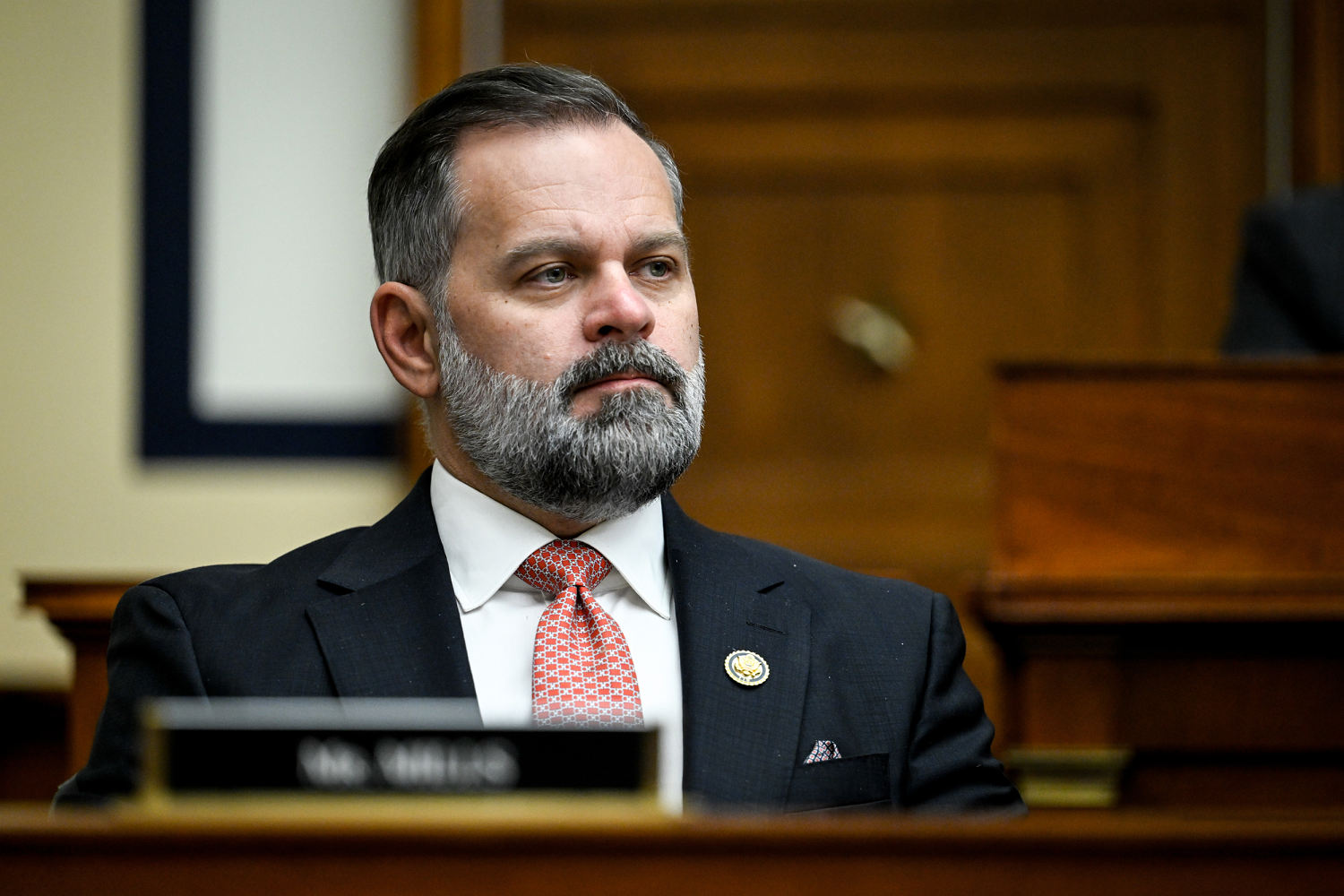
Image via NBC News
Cory Mills gets bounced in Florida as investigations close in
Voters in Florida’s GOP primary just handed Rep. Cory Mills an exit ramp. NBC projects Mills lost to Republican Ryan Elijah while Mills is still staring down a House Ethics Committee review and a Justice Department investigation. Mills denies wrongdoing, but politics doesn’t wait for the legal clock.
This matters because incumbent churn changes committee math, donor networks, and the tone of “law and order” messaging heading into the general cycle. And when an incumbent goes down under an investigative cloud, the party doesn’t just swap a name on the ballot — it scrambles to contain headlines, money leaks, and downstream vulnerability in nearby races.
Markets don’t trade Florida primaries directly. They trade the probability distribution of legislative behavior — spending, investigations, subpoenas, and leadership bandwidth. More noise, less governing time, more headline risk.
📈 Fred's Take: This is another reminder that political capital is a finite asset — and Washington burns it fast. The market implication is subtle: more internal party cleanup means less capacity to do anything serious on deficits, permitting, or entitlement math. That keeps the base case intact: fiscal drift, more coupon supply, and a premium on duration hedges when the next funding fight hits.
📎 NBC News
Treasury super-sizes long-end buybacks and the bond market exhales
Treasury just signaled a bigger buyback operation focused on longer-term debt, and yields immediately slid. That’s not magic — it’s mechanics. When the biggest issuer on Earth also becomes a more aggressive buyer of the same maturities, term premium compresses and dealers breathe easier.
This is Treasury trying to smooth the ugly part of the curve: the long end where deficits meet duration risk. Buybacks don’t erase debt. They change the plumbing, improve liquidity in specific issues, and can reduce the “who’s going to wear this risk?” panic that shows up as abrupt yield spikes.
The immediate read-through is friendlier financial conditions: lower long rates, tighter credit spreads, and a tailwind for rate-sensitive equities. The longer-term read is that we’re now openly managing the curve with operational tools because the fiscal path is too loud to ignore.
📈 Fred's Take: When Treasury is actively nursing the long end, you don’t fight the first-order move: duration gets relief, and risk assets catch a bid. But don’t confuse buybacks with discipline — this is a tactical patch on a structural deficit problem. I’d use the rally in long bonds to rebalance hedges, not to declare a new secular bond bull market.
📎 CNBC
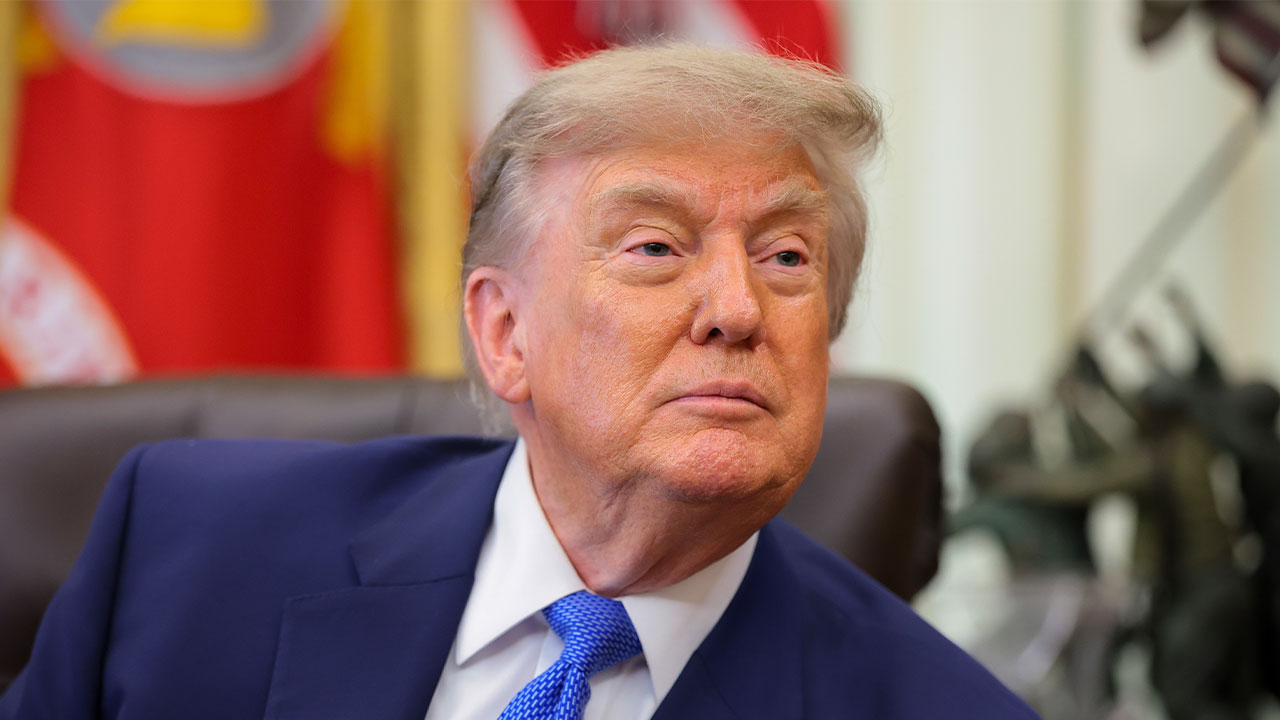
Image via Fox Business
Trump blinks: 50% Canada tariffs paused hours before the hammer fell
President Trump paused the planned 50% tariffs on Canadian imports just hours before the deadline, saying a deal is close and pending finalization. That is classic brinkmanship: push maximum uncertainty into the supply chain, then pull back at the last second and declare leverage.
For markets, the key isn’t the press conference. It’s the implied volatility in cross-border trade rules — autos, industrial inputs, agriculture, and energy-linked flows that ripple through pricing. Companies can’t plan capex or inventory when policy can change between lunch and the close.
The knee-jerk reaction is risk-on: fewer immediate inflationary impulses, less margin pressure, and less retaliation risk. But the “pause” framing keeps the threat alive, and that means the option value of waiting stays high for executives and investors.
📈 Fred's Take: Tariff roulette is a tax on planning, and markets hate planning risk more than they hate bad news. The pause helps equities today and cools the worst near-term inflation tail, which is supportive for both bonds and growth. But if you’re running a portfolio, treat this as a volatility regime, not a one-off headline — keep exposure, keep hedges, and don’t overpay for cyclicals on a handshake that isn’t signed.

Image via MarketWatch
Moderna goes vertical as cancer-vaccine data lights a fuse
Moderna’s stock doubled after promising results for a cancer-vaccine approach that pairs an mRNA therapy with Merck’s Keytruda. The market is pricing in something biotech rarely gets: a plausible platform extension beyond infectious disease that can scale into oncology.
This is also a reminder of how biotech trades: it’s not a discount rate story first — it’s a probability story. Change the odds on future cash flows and the equity moves like a leveraged instrument, because it basically is.
If the data hold up, the second-order winners aren’t just Moderna and Merck. The whole mRNA and personalized-medicine complex gets repriced, and IPO windows for early-stage oncology and platform biotech start cracking open again.
📈 Fred's Take: A double is what happens when the market realizes it mispriced optionality. But after a move like this, you don’t chase with your eyes closed — you map the next catalysts, the trial design, the regulatory path, and the commercial split economics. If you want exposure without coin-flip risk, look at diversified pharma and picks-and-shovels biotech tools that benefit from a revived funding cycle.

Image via Fortune
Abu Dhabi eats Washington’s lunch on tokenization
The UAE is positioning itself as a global hub for tokenization, and Coinbase planting its global tokenization base in Abu Dhabi is the clearest signal yet that the strategy is working. The pitch is simple: regulated rails, clearer licensing, faster iteration, and a government that wants the industry instead of just investigating it.
Tokenization isn’t a meme — it’s the financial system turning assets into programmable settlement objects. Think private credit, real estate, funds, and collateral moving with fewer intermediaries and tighter settlement windows. Where the rules are coherent, capital shows up.
The U.S. keeps debating definitions while other jurisdictions ship infrastructure. That doesn’t kill American innovation, but it does redirect the highest-growth pieces — issuance, custody, market structure, and jobs — to the places willing to provide credible regulation.
📈 Fred's Take: Crypto markets trade narratives, but institutions trade jurisdiction. If Abu Dhabi is where tokenization gets regulated and scaled, that’s where liquidity, talent, and deal flow will concentrate — and U.S. platforms will follow the money. For portfolios: the winners are the compliant exchanges, custody, and infrastructure names, plus L1/L2 networks that can support real-world asset settlement without regulatory landmines.
📎 Fortune
That’s your map before the open: long-end support, trade-policy whiplash, biotech ignition, and crypto jurisdictional gravity. Trade the flows, respect the catalysts, and don’t confuse tactics with fundamentals.
— Fred Frost
