Today’s Sponsor
That "Trump Bump" Social Security raise? Already gone. Medicare premiums, gas, groceries — they've swallowed every penny before it hits your account. Meanwhile, your benefits have already lost 13.7% of their purchasing power since 2016, and the system would need to raise checks by 15.7% just to break even. You're getting $81. You needed $296.
Central banks have been quietly buying one specific asset at the fastest pace in 50 years — and JP Morgan now sees it hitting $8,000. Smart retirees aren't waiting on the next COLA. They're protecting what's left right now. Get the free guide and see the 3 steps disciplined retirees are using to outrun the inflation Washington can't stop.
Get the Free Wealth Preservation GuideThis is an advertisement. If you no longer wish to receive our promotionals, please let us know. Or write to: 5005 Lyndon B. Johnson Fwy. Suite 350, Dallas, TX 75244

Buffett exits the chair. Hormuz turns hot. The market’s “TACO” muscle memory gets tested. Xi and Trump head for a binary summit. And AT&T’s CFO reminds you what capital discipline actually looks like.
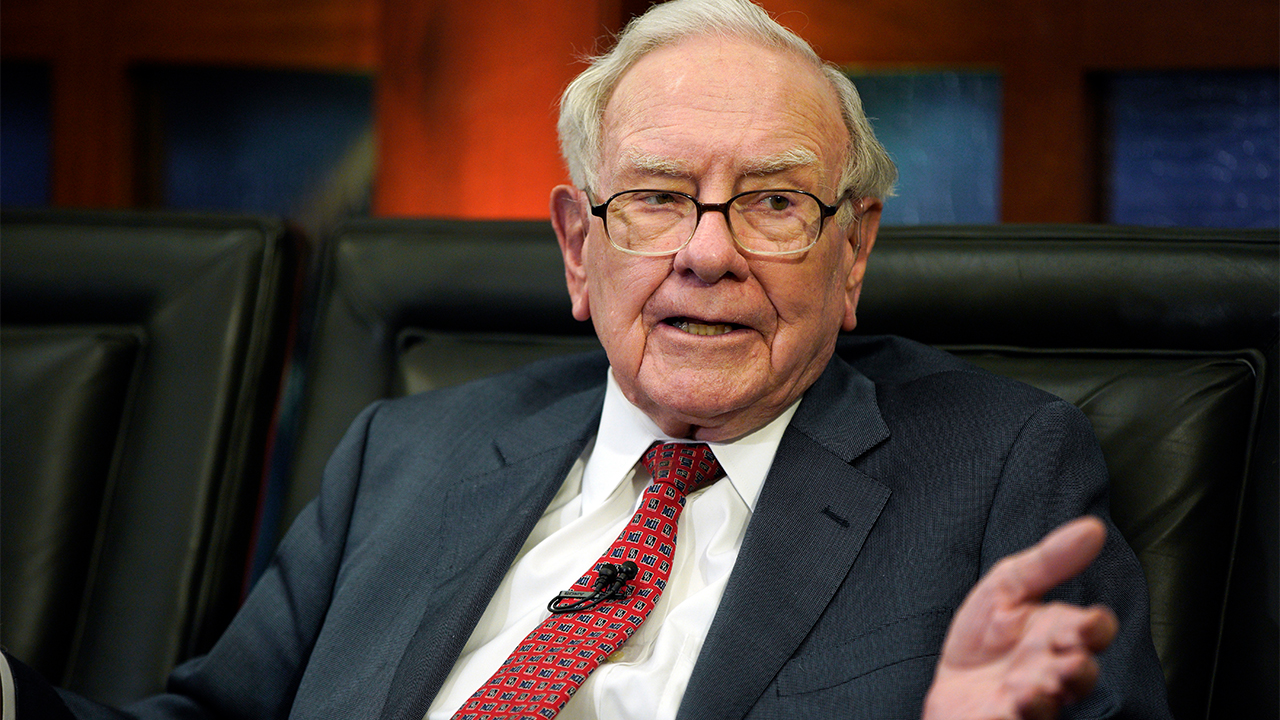
Image via Fox Business
Buffett Leaves the Chair, Leaves the Blueprint
Warren Buffett is stepping down as chairman of Berkshire Hathaway after more than six decades, handing the role to Howard Buffett while staying on as chairman emeritus. This is a clean succession headline, but it’s also a regime change in how investors will read every Berkshire filing and every capital allocation decision.
Berkshire is not just an insurer and a pile of operating companies. It’s a signaling machine for the entire value complex: financials, industrials, consumer staples, and the “quality at a price” crowd. The market will now price a higher “key-person discount” into BRK, even if the actual investment process is institutionalized.
The near-term setup is simple: expect a short-lived sympathy wobble in BRK and then a tug-of-war between passive flows (which don’t care) and active managers (who do). Watch buybacks, not speeches. If repurchases slow while cash stays high, that’s your tell that the internal hurdle rate just moved up.
📈 Fred's Take: This is a perception shock, not an earnings shock, and perception drives multiples. Berkshire probably trades with a slightly wider risk premium until investors see a full year of capital decisions without Buffett’s fingerprints. If you’re long BRK, your thesis can’t be “Buffett will save us” anymore; it has to be “the machine compounds and buys back stock when it’s cheap.”
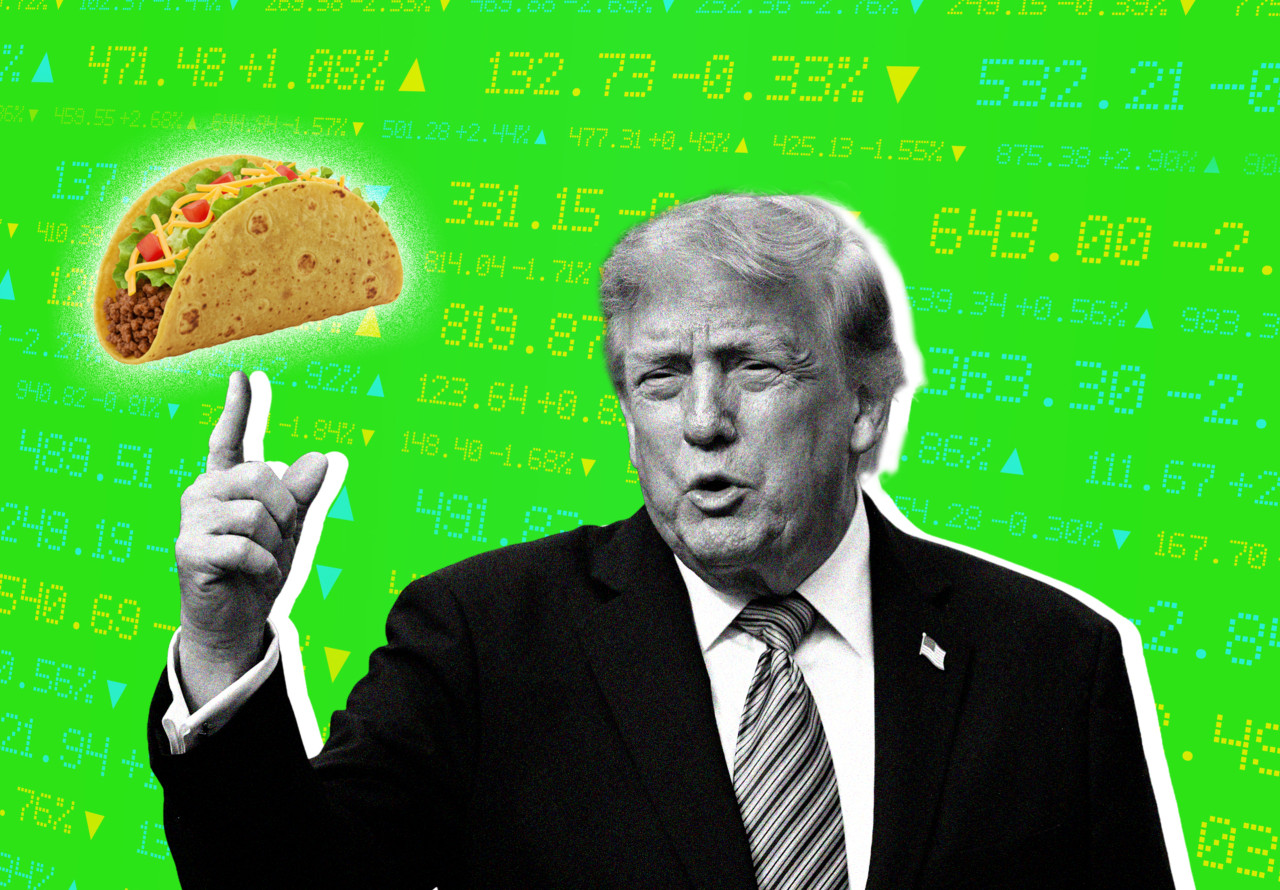
Image via MarketWatch
Wall Street’s Iran “Back-Down” Trade Is Getting Expensive
Markets have spent six months training themselves on a simple reflex: Trump threatens Iran, futures dip, you buy it, and the temperature comes down. That playbook is starting to fail, and that’s when it becomes dangerous—because positioning is built on muscle memory, not fresh analysis.
The trade has a name now, which is your first warning sign. Once a pattern gets branded, it gets crowded, then it gets levered, then it breaks at the worst moment—usually when the catalyst isn’t a tweet but an incident. When the “buy-the-dip on geopolitics” crowd gets trapped, you get forced de-risking across equities, credit, and vol.
The transmission path is not complicated: Iran risk means oil risk, oil risk means inflation expectations, and inflation expectations mean rates and multiples. If the market loses confidence that headlines will fade, energy stops being a hedge and becomes the driver.
📈 Fred's Take: If you’re still treating Iran risk like a free theta harvest, you’re late. The right posture is asymmetric: own some energy exposure, keep duration tight, and don’t be the guy selling volatility into a geopolitical tape that’s turning kinetic. When the “always backs down” assumption breaks, the repricing is fast and ugly.

Image via The Hill
Hormuz Gets Real: Iran Claims It Hit a Tanker
Iran says it struck an oil tanker in the Strait of Hormuz that was attempting to “illegally pass,” according to IRGC-linked messaging. Even if you discount the spin, the point is the same: the world’s most important oil chokepoint just moved from abstract risk to active incident.
This is where markets stop debating and start hedging. You don’t need a full shutdown for prices to gap; you just need insurers, shippers, and navies to change behavior. The immediate tells will be tanker rates, Brent time spreads, and whether refined products tighten faster than crude.
The second-order effect matters more than the first: if energy jumps and holds, it bleeds into inflation prints, then into central bank reaction functions, then into equity valuations. That’s the chain that punishes growth stocks and rewards anything tied to cash flow today.
📈 Fred's Take: This is the kind of headline that flips oil from “macro input” to “macro driver.” If you’re running a portfolio like energy can’t spike, you’re running a fantasy portfolio. I’d rather own selective energy and defense than pretend the S&P multiple is immune to $100+ oil risk.
📎 The Hill
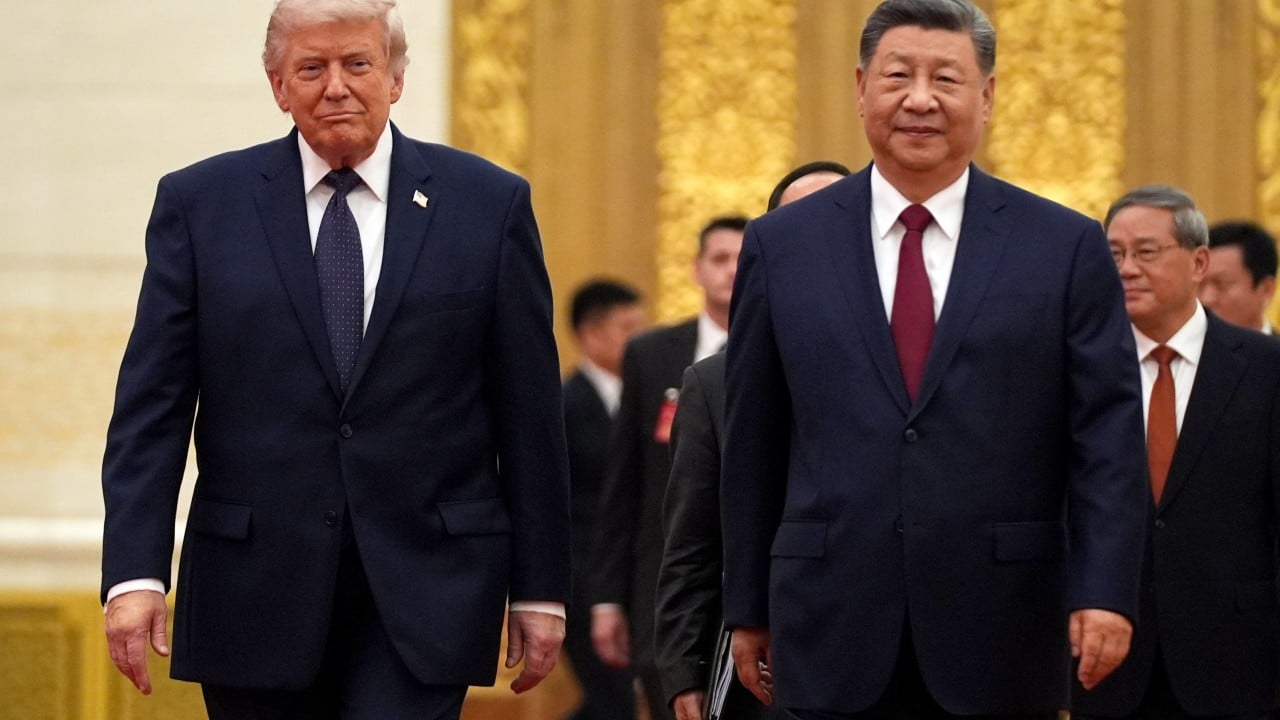
Image via South China Morning Post
Xi-Trump Next Week: One Meeting, Two Completely Different Markets
Xi Jinping is scheduled to meet Donald Trump in Washington next week, and investors are already pricing the summit like a binary option. Best case is a managed détente: tariff ceilings, export-control guardrails, and a path to keep supply chains functioning without fresh shockwaves.
Worst case is escalation packaged as “strength”: new tariffs, tighter tech restrictions, and retaliation that hits US multinationals and China-sensitive semis. The market won’t wait for the communiqués—it will trade the leak cycle, the optics, and any stray line about currency, chips, or Taiwan.
The most important thing to watch is not the handshake. It’s whether the summit produces an enforceable framework or just a temporary pause. A pause rallies risk for a week; a framework changes capex plans, IPO calendars, and FX hedging behavior for a year.
📈 Fred's Take: Treat this like an event risk that can reprice both rates and earnings at the same time. If the summit de-escalates, cyclicals and mega-cap tech catch a relief bid and the dollar can soften; if it escalates, you’ll want higher-quality balance sheets, less China revenue, and a stronger USD hedge. Don’t confuse “good optics” with “good policy”—markets eventually demand the paperwork.
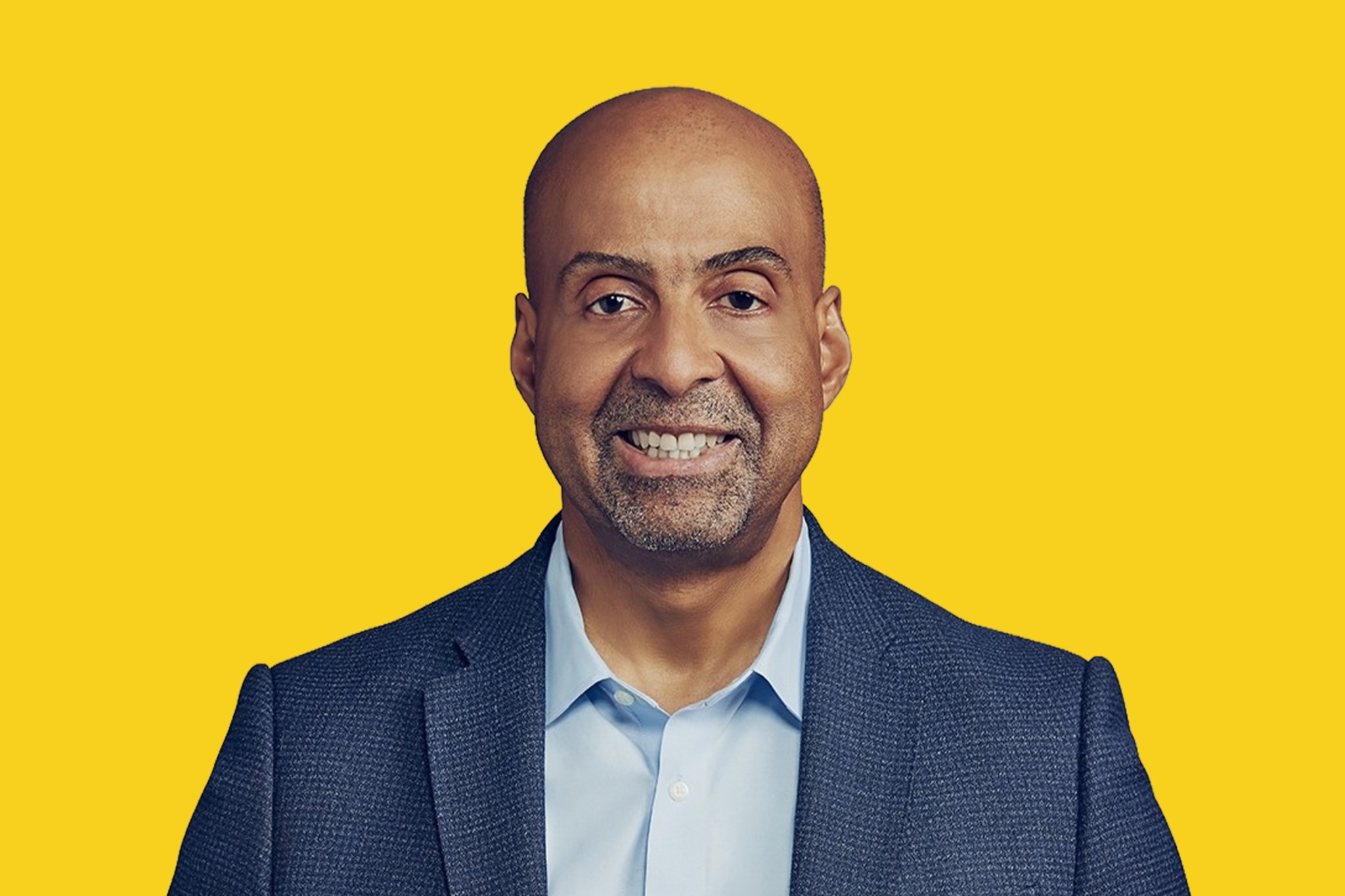
Image via Fortune
AT&T CFO Heads Out, and the Bond Market Is the Real Exit Interview
AT&T CFO Pascal Desroches is retiring after nearly 40 years in finance, reflecting on the company’s massive network investment, the painful dividend reset, and the discipline required to fund both. In plain terms: telecom is a capital-intensity business, and the only sin is pretending it isn’t.
AT&T’s story the last few years has been a stress test in cost of capital. When rates rose, the market stopped granting free leverage to slow-growth businesses. That forced a hard pivot: prioritize balance sheet credibility, accept political pain around the dividend, and keep the network spend targeted.
The next CFO’s job is not to be “innovative.” It’s to protect financing access and keep the equity from becoming a perpetual bond proxy with equity downside. In 2026, that means fewer narratives and more free cash flow math.
📈 Fred's Take: Telecom is where investors go to learn the difference between yield and safety. The dividend cut was ugly, but the bond market would have made the alternative even uglier. If AT&T keeps deleveraging and stays honest about capex, the equity can grind; if it tries to buy growth with debt again, you’ll relive the last cycle in fast-forward.
📎 Fortune
That’s the tape. Respect the chokepoints, respect the cost of capital, and don’t marry a trade that only works when the world behaves.
— Fred Frost
