Today’s Sponsor
History shows a clear pattern: the investors who recognized the exact inflection point in the dot-com boom pocketed 400–800% gains in 18 months. Those who spotted the same moment in cloud computing saw 300–600% returns. Based on 50 years of market data, that same moment is happening right now — and the acceleration phase has already begun.
This free 7-page report reveals where we are in the current megatrend cycle, why the next 18 months are critical, and how to position yourself before the window closes. Don't be the investor who enters too late.
Get the Free ReportBy clicking 'Get the Free Report' you are automatically subscribing to Darwin Investor Network and will receive a free subscription to the Chaikin PowerFeed newsletter. Unsubscribing is easy. Privacy Policy

Washington is turning the volatility knob while Europe argues about who pays. Markets are pricing more tail risk, not less.
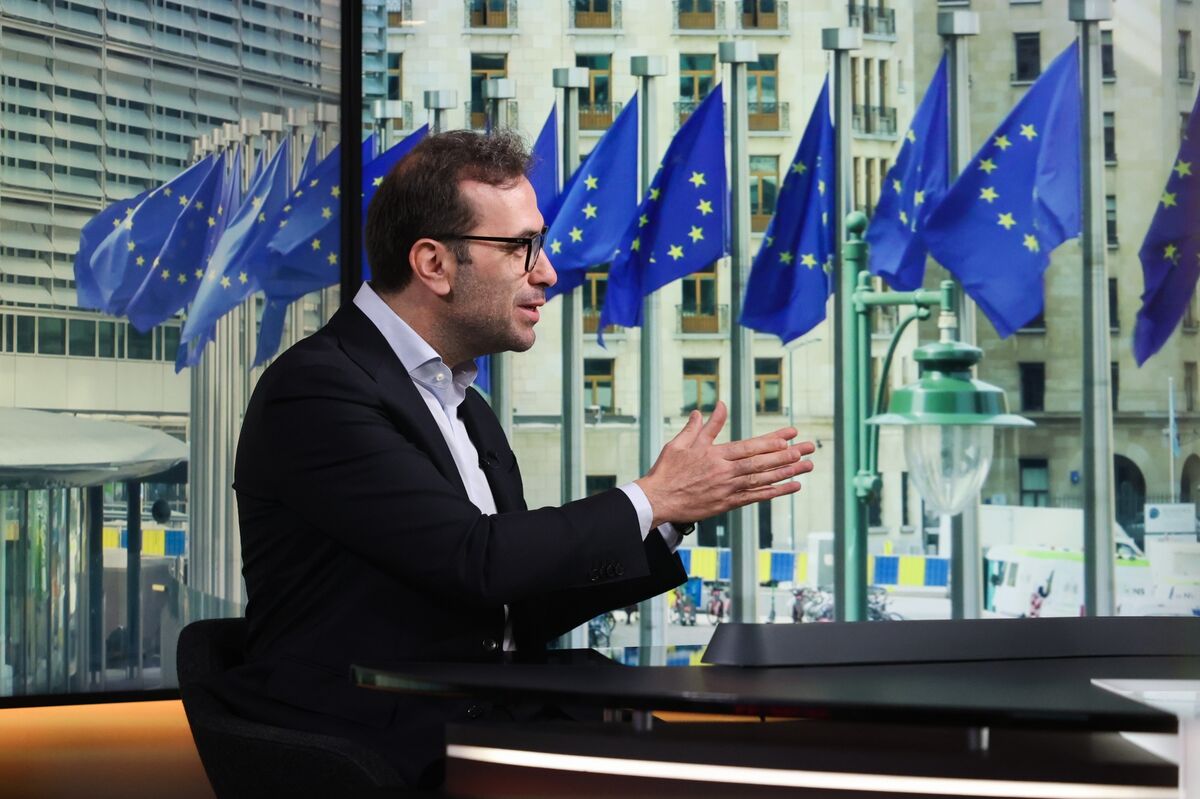
Image via Bloomberg
Spain Wants More Joint EU Debt. Germany Says Nein. Spreads Are Listening.
Spain is back in Brussels pushing for more common EU borrowing, trying to revive the post-pandemic playbook: mutualize the cost, lower the marginal funding rate for the periphery, and label it "strategic" spending. The resistance is the same old axis: Germany and a bloc of fiscally hawkish countries don’t want to write another blank check with a shared credit card.
This matters because the bond market doesn’t wait for communiques. The second you float more joint issuance, you change the supply story for core Europe and the backstop story for the periphery. If Berlin blocks it, you’re back to a world where Italy and Spain wear their own risk premium, and that premium can move fast when growth stalls or politics wobble.
Watch the messaging more than the votes. If EU leaders start hinting at “limited” joint programs, BTP-Bund spreads tighten and European banks catch a bid. If the hawks hold the line, you’re looking at a stealth tightening: less fiscal impulse, more pressure on the ECB to do the heavy lifting, and more upside volatility in European credit.
📈 Fred's Take: This is a spreads trade disguised as a moral argument. If Germany wins, you want to be cautious on European cyclicals and anything levered to cheap funding, because the periphery risk premium is the tax. If Spain gets even a small joint-debt framework, it’s a green light for a tactical rally in Italian debt and EU financials, but don’t confuse a headline program with a permanent fiscal union.
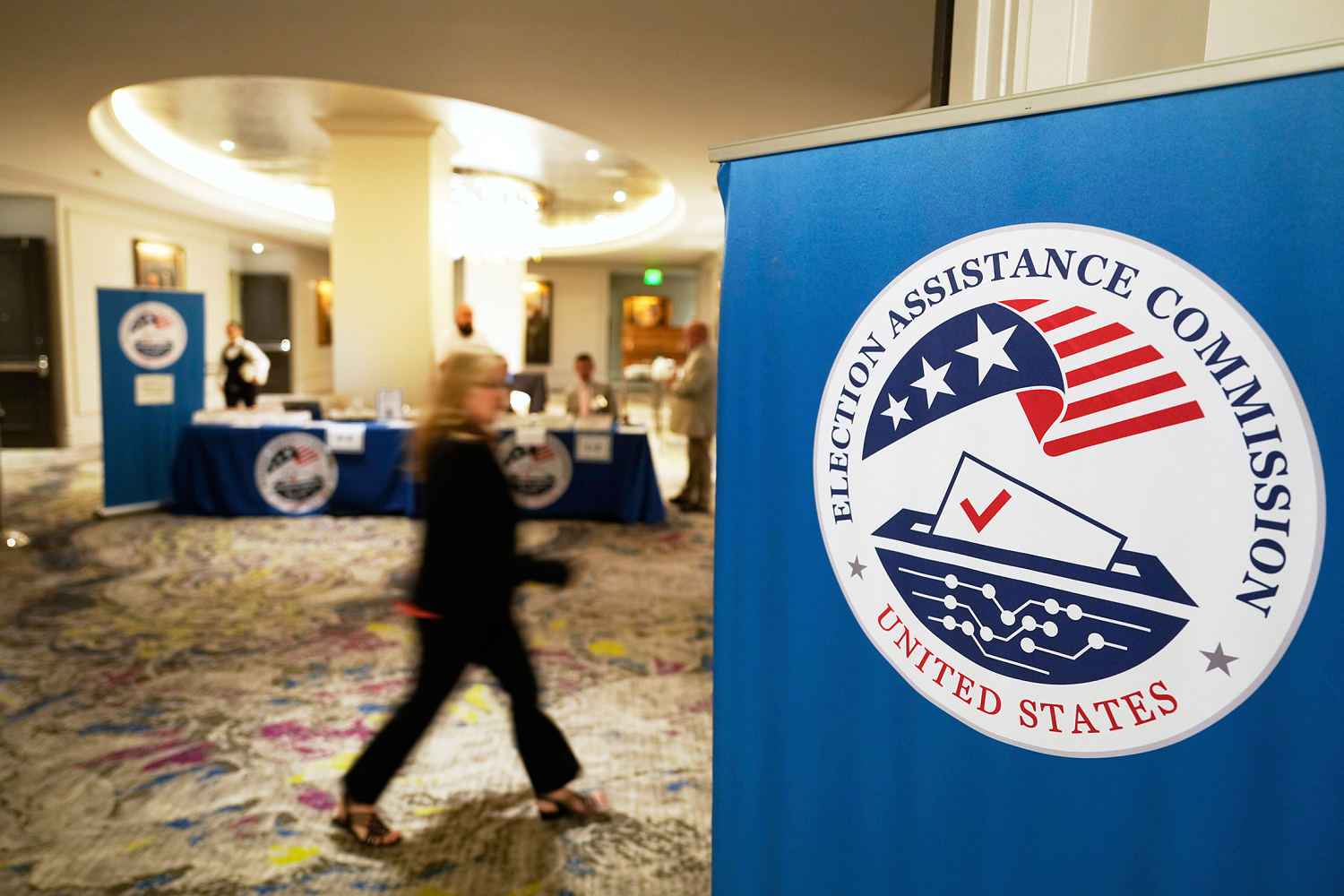
Image via NBC News
Trump Fires the Election Assistance Commission. Legal Risk Just Became a Market Variable.
President Trump ousted the remaining members of the Election Assistance Commission, gutting a small bipartisan agency that helps states with election guidance and administration just months before the midterms. The move doesn’t change who counts ballots tomorrow morning, but it does change the odds that the next contested outcome turns into a procedural street fight.
Markets hate one thing more than bad policy: unclear rules. An undermined election apparatus raises the probability of messy litigation, delayed certification, and a longer window where Washington can’t pass clean fiscal or budget decisions. That’s not ideological. That’s mechanical.
This also feeds into the risk premium for anything regulatory-sensitive. If the midterm backdrop gets uglier, expect louder threats around tech enforcement, defense procurement, energy permitting, and healthcare pricing. Even if nothing passes, the noise alone widens dispersion and keeps implied volatility sticky.
📈 Fred's Take: This is how you manufacture uncertainty, and uncertainty is a tax on multiples. Expect higher vol into the fall, more demand for downside hedges, and a bid under cash-like assets as portfolios de-risk around event windows. If you’re long high-multiple growth, you should assume the discount rate isn’t your only problem now; political process risk is back in the model.
📎 NBC News
Gulf Strikes After Khamenei Burial: Energy Tail Risk Is Back on the Tape
Iran said it struck U.S. military targets in the Gulf as it buried slain leader Ayatollah Ali Khamenei, a symbolic moment paired with operational escalation. The combination is intentional: mourning at home, signaling abroad. The Gulf is where geopolitics turns into prices in real time.
Even if the physical damage is limited, the market impact comes through shipping lanes, insurance costs, and the probability of miscalculation. Any perception that the U.S. posture is shifting from deterrence to retaliation re-rates the risk for crude, refined products, and regional assets. That spillover hits global inflation expectations, then rates.
Watch Brent, shipping rates, and short-dated oil calls. If energy spikes, the next domino is breakevens ticking higher and the front end of the curve repricing tighter policy for longer. In other words: one Gulf headline can do more to your portfolio than a month of central bank speeches.
📈 Fred's Take: This is classic tail-risk pricing: cheap until it isn’t, then it gaps. I’d treat any dip in energy volatility as an opportunity to buy protection, not sell it. Higher oil is a stealth tightening on consumers and a quiet boost to energy cash flows; position like both can be true at once.
📎 Reuters

Image via Fox Business
FDA Targets Hidden Foreign Drug Supply Chains. Big Pharma Compliance Costs, Domestic Winners.
The FDA is proposing a sweeping rule package aimed at exposing foreign drug factories and tightening oversight of where active ingredients and materials originate. The agency is also standing up a public-facing website to close a loophole that has allowed parts of the foreign supply chain to stay effectively out of sight.
The market read is straightforward: more transparency means more compliance, more inspections, and more paperwork. That’s a cost line for import-heavy generics and for branded players with sprawling global supplier networks. It also increases the odds of sudden disruptions when a facility fails scrutiny, which can create price spikes and temporary winners in specific drug categories.
The second-order effect is the policy tailwind for domestic manufacturing. If the rule set makes offshore opacity less profitable, capital comes home. That supports U.S. contract manufacturers, specialty chemical suppliers, and any pharma names already positioned with domestic capacity.
📈 Fred's Take: This is reshoring by regulation, not by subsidy, and it will show up in margins before it shows up in patriotism. Near term, expect headline risk and supply hiccups that reward nimble operators and punish complacent importers. Longer term, domestic CDMOs and quality-first manufacturers deserve a higher multiple because regulatory friction just became a moat.

Image via ZeroHedge
Israel Flags an Alleged Iran Plot Against Trump. Political Risk Premium Jumps Again.
A report circulating via Israeli intelligence claims Iran is plotting to assassinate President Trump, landing at a moment when Middle East tensions are already elevated. The timing is the story as much as the allegation: it forces U.S. security posture into the political bloodstream and raises the odds of retaliatory steps, whether overt or covert.
Markets don’t adjudicate intelligence dossiers; they reprice the distribution. If investors start assigning even a small probability to direct leadership targeting, you get reflexive moves: stronger dollar, firmer gold, wider credit spreads, and a bid in defense and cyber. Liquidity thins fast when political violence enters the narrative.
The bigger issue is escalation optionality. One dramatic claim can box policymakers into action, and action can spill into sanctions, shipping disruption, or direct confrontation. That’s how geopolitical headlines morph into earnings revisions.
📈 Fred's Take: Even if this never becomes a confirmed operational plot, it’s enough to lift the risk premium because it changes incentives in Washington. I’d expect a defensive rotation: gold supported, energy volatility higher, and defense/cyber outperforming on any risk-off tape. The worst trade here is assuming it’s "just noise" when the market is already jumpy.
That’s the grid for today. Trade the fundamentals, hedge the process risk, and respect the Gulf tape.
— Fred Frost
