In partnership with

Frontier models perform better in Attio’s agent harness.

We gave GPT-6 Astra the same job twice: analyze 100 sales calls and draft the follow-ups, once in Ask Attio and once in ChatGPT.
Ask Attio finished in 4 minutes 49 seconds. ChatGPT took 26 minutes 11 seconds, about 5.4 times as long.
The most ambitious GTM work requires more than frontier intelligence. It requires architecture that can put that intelligence to work at scale.

Thursday, November 12, 2026. NYC tragedy hits insurance and muni nerves, CPI re-ignites the hike debate, Starlink becomes a bargaining chip, Washington’s impeachment theater bleeds into defense procurement, and China fights for ocean-governance turf with trade implications.
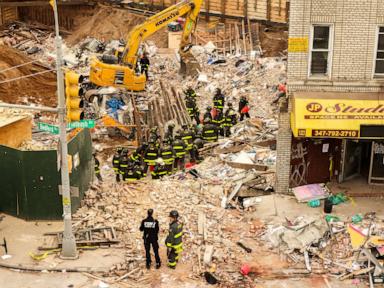
Image via ABC News
Brooklyn Collapse: Human Tragedy First, Then the Bill Comes Due
A three-story building in Brooklyn collapsed into an adjacent excavation site with workers on scene. At least eight are dead, multiple others injured, and the rescue operation is still the priority.
Markets will do what they always do: price the second-order effects. This is going to turn into a fast-moving stack of liability, construction risk, and permitting scrutiny across NYC. Expect a wave of stop-work orders, site inspections, and litigation that doesn’t just hit one developer.
If you’re in anything tied to construction supply chains, local real estate operators, or insurers with concentrated Northeast exposure, this is where “idiosyncratic” becomes “systematic” in the underwriting and lending conversations.
📈 Fred's Take: Watch the casualty insurers and the regional lenders that finance mid-sized NYC developers; this is how credit standards tighten at the margin. The market won’t price the human cost, but it will price higher premiums, slower permits, and stalled projects. If you own the risk, hedge it; if you don’t, don’t go fishing in the wreckage for a bargain.
📎 ABC News

Image via TheStreet
October CPI Runs Hot Again: The Fed Just Got Re-Attached to the Wheel
October CPI is the third hot reading in a row, and it’s putting a December hike right back on the table. Consumers are already squeezed, and persistent inflation is how you turn a “soft landing” story into a rolling slowdown.
The market implication is simple: the front end of the curve matters again. Hot CPI pushes rate-cut fantasies out, reprices funding costs, and forces equities to re-justify multiples with actual earnings, not vibes.
If you’re positioned for falling yields, you’re fighting the tape. And if you’re long long-duration growth on the assumption the Fed blinks, you’re underwriting the wrong villain.
📈 Fred's Take: Three hot prints is the Fed’s tripwire. If they don’t hike, they’ll still talk like they might, and that’s enough to keep financial conditions tight. Stay overweight cash and quality balance sheets; keep duration exposure intentional, not accidental.

Image via BBC
Ukraine Starlink Disruptions: Space Infrastructure Is Now a Negotiating Weapon
Ukraine says military Starlink service has been disrupted again as US envoys meet Putin in Moscow. Later today, Jared Kushner and Steve Witkoff are slated to travel to Dublin to meet President Zelensky.
The immediate market read is not “tech glitch.” It’s leverage. When battlefield connectivity becomes intermittent, it changes operational tempo and it changes negotiating posture. That risk doesn’t stay in Eastern Europe; it bleeds into defense budgets, procurement priorities, and how investors price space and comms resilience.
This also drags the private-public boundary into the open. If a commercial network is effectively critical infrastructure in wartime, it will be regulated like critical infrastructure.
📈 Fred's Take: This is bullish for redundancy, not for any single provider. The winners are the firms building multi-orbit alternatives, hardened terminals, and secure routing, because governments will pay to never be hostage to one switch again. If you’re long “space as a consumer product,” you’re late; the trade is “space as sovereign infrastructure.”
📎 BBC

Image via The Dispatch
Hegseth Survives for Now, and Washington Keeps Writing Checks with One Hand Tied
Defense Secretary Pete Hegseth dodged impeachment for now. That doesn’t mean exoneration; it means the calendar, the whip count, and the appetite for chaos didn’t line up today.
Meanwhile, Nvidia’s board preparing to oust CEO Jensen Huang is the kind of corporate headline that can yank the whole tape by the collar. The market has treated Nvidia as both a company and a policy instrument for AI dominance; leadership instability there is not just a stock story, it’s a supply chain and capex story.
Add the political churn and you get the same outcome we’ve seen for decades: policymakers posture, contractors get paid, and volatility gets mispriced right up until it isn’t.
📈 Fred's Take: Impeachment noise is tradable only insofar as it disrupts appropriations and procurement timing; until you see that, defense names grind, they don’t crash. The Nvidia angle is bigger: if the board is wobbling at the top, the market will demand a higher risk premium for the entire AI complex. Tighten stops on the “AI equals straight line up” basket; this is where concentration risk finally charges interest.

Image via South China Morning Post
China Fights for the High Seas Treaty HQ: Don’t Ignore the Shipping and Minerals Angle
China is slamming a Chile-Belgium bid to host the secretariat of the High Seas Treaty body and is pushing a rival proposal in Xiamen. The language is familiar: accusations of politicizing the process and dividing parties.
This isn’t about office space. It’s about agenda control in a treaty that touches enforcement, monitoring, and the rules of the road for what happens beyond national waters. That means shipping lanes, inspections, environmental constraints, and eventually resource questions that intersect with seabed minerals.
For markets, it’s another reminder that “global governance” is now a competitive arena. If China can shape process, it can shape outcomes, and supply chains will pay the toll.
📈 Fred's Take: Treat this like a slow-moving tariff: the costs show up later, but they show up. Shipping, fisheries, and critical-minerals narratives will all get periodic headline shocks as this treaty structure hardens. Position for higher friction in global trade, not lower friction, and don’t anchor your thesis on “everyone cooperates because it’s rational.”
Fred Frost, Morning Bullets. I’ll be back tomorrow before the open, same as always.
— Fred Frost

