Today’s Sponsor
Silver surged 144% in 2025 — and with Trump's deregulation clearing the path and Elon Musk eyeing critical material supply chains for Tesla, analysts say silver's next move could be explosive. Even whispers of Musk entering the silver market could send prices skyrocketing.
We created the 2026 Silver Forecast Guide to show you exactly what's driving silver's demand, why the timing is critical, and how to position yourself before the headlines break. Once the market reacts, it'll be too late.
Get the Free 2026 Silver Forecast GuideThis is an advertisement from First Ballot. If you no longer wish to receive promotions from this advertiser, please unsubscribe here. Or write to: 5005 Lyndon B. Johnson Fwy. Suite 350, Dallas, TX 75244.

Politics just re-priced policy risk. Watch taxes, issuance, defense spending, and the next health-care headline hit to managed care.
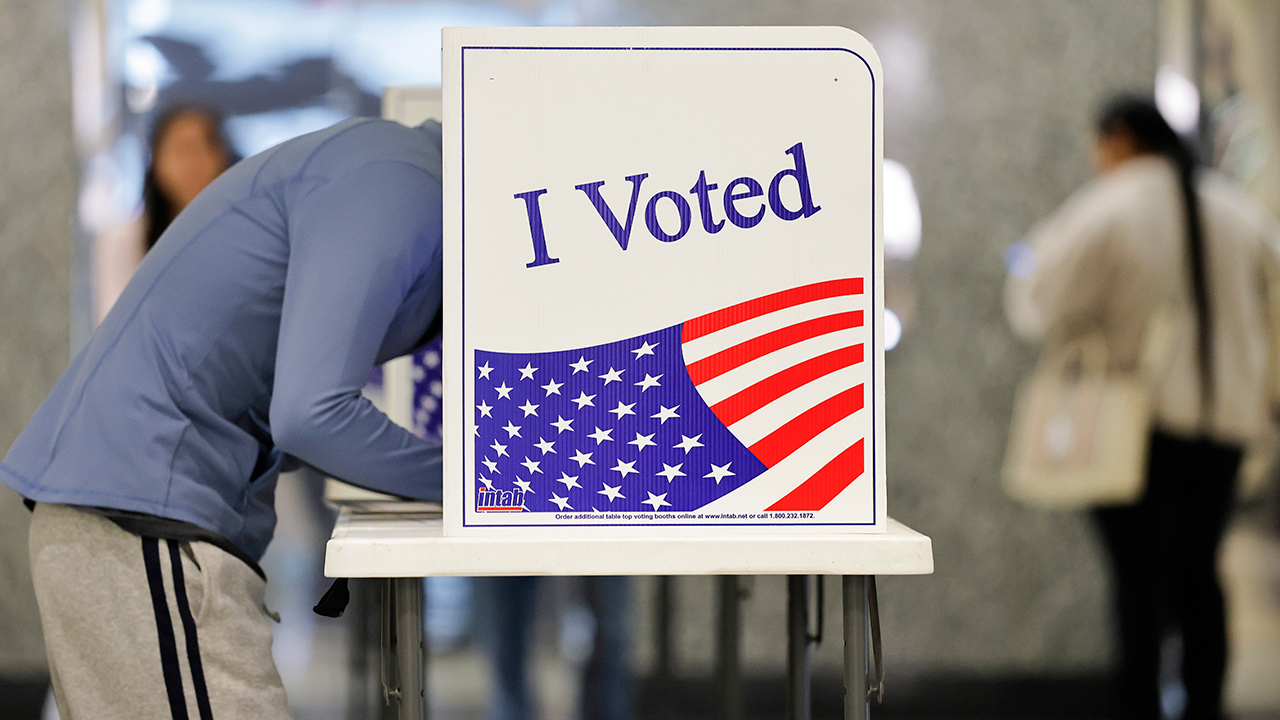
Image via Fox Business
Futures Choppy After Democrats Rack Up Midterm Wins
U.S. stock futures were mixed this morning as markets digested Democratic gains in key midterm races. The immediate problem for traders: you don’t get one clean policy direction, you get a new set of negotiating lines on taxes, spending, and regulation.
If Democrats consolidate control, expect the next twelve months to skew toward higher probability of selective tax hikes, heavier oversight of parts of tech and health care, and more budget pressure around entitlement and industrial-policy spending. That’s not automatically bearish, but it widens the distribution of outcomes, and markets hate a fat-tailed policy tape.
Rates will be the real tell. If the market sniffs bigger deficits without a credible financing plan, the long end sells off and “good” earnings prints won’t matter as much as your discount rate.
📈 Fred's Take: This is a volatility setup, not a crash call. The playbook is simple: policy uncertainty lifts risk premia, which means lower multiples and higher value on balance-sheet quality. If you’re long high-duration growth, you’re now long politics; if you’re long cash flows and pricing power, you can breathe.
Europe’s Sovereignty Push Doesn’t Wait for Washington’s Mood Swings
Europe is pressing ahead with a sovereignty drive even after the U.S. president’s midterm setback, signaling the long-term project is bigger than one election cycle. The core aim is straightforward: reduce reliance on the U.S. across defense, energy security, and industrial supply chains.
For markets, the near-term effect is more fiscal activism in Europe dressed up as “strategic autonomy.” That means more procurement, more domestic capacity buildout, and more political will to subsidize key industries. It also means a structurally higher floor under European defense names and selected infrastructure winners, even if the macro cycle wobbles.
The currency angle matters too. The more Europe tries to internalize supply chains and defense capability, the more it nudges capex up and keeps inflation sensitivity elevated, which keeps the ECB in the conversation even when growth looks soft.
📈 Fred's Take: This is bullish for European defense and parts of industrials, and mildly bearish for any business model built on “Europe will just buy American forever.” Don’t overthink the headlines about U.S. political turbulence; Europe’s direction is path-dependent now. The trade is to own the spend, hedge the FX, and respect that autonomy is inflationary at the margin.
Image via MarketWatch
Treasury Signals Financing Tweaks: Read It as a Duration Warning
Treasury is openly discussing potential changes to how it finances the debt load, laying groundwork for adjustments over the next several quarters. Translation: the borrowing need is persistent, and the current mix of bills versus coupons may not be the end state.
The market impact runs through term premium. If Treasury leans more into longer-dated issuance, the long end has to clear at a higher yield unless demand magically appears. If it leans into bills, you can get less immediate long-end pressure but a more fragile rollover profile that keeps money markets and funding conditions central.
Either way, the headline you should care about is not “financing changes,” it’s “distribution of duration and who is forced to own it.” Foreign demand isn’t what it used to be, banks are balance-sheet constrained, and the marginal buyer increasingly needs a price concession.
📈 Fred's Take: Treat this like a reminder that bonds are not “safe” when the supply pipe is the story. If Treasury extends duration, long rates can rise even with slowing growth; if Treasury sticks to bills, liquidity stays tight and risk assets don’t get the easy-money tailwind. My bias: keep duration exposure intentional, not accidental, and stop assuming disinflation automatically means lower long yields.
CVS Pulls the Conglomerate Ripcord: Pharmacy and Insurance Break Up
CVS Health will split in two, separating its pharmacy business from its insurance operations. After years of promising synergies between the drug channel and managed care, the company is choosing simplification and transparency over the integrated-giant narrative.
This is also a regulatory and political tell. Vertical integration in health care has been a magnet for scrutiny, and election-year politics only intensify that. By separating, CVS potentially reduces the “too much power in one stack” argument and gives investors cleaner ways to value each business.
Expect a short-term re-rating debate: does the sum-of-the-parts unlock value, or does it expose that the whole was masking margin pressure? The market will also handicap what happens to drug pricing negotiations, PBM economics, and Medicare Advantage profitability under a shifting Washington backdrop.
📈 Fred's Take: This is a classic “unlock value, lower headline risk” move, and it’s rational. The clean trade is that simpler structures get higher multiples when regulation is noisy, but don’t confuse corporate surgery with industry health. Managed care is still in a policy crosshair, and pharmacy margins are still a knife fight.
📎 Reuters

Image via Axios
Democrats Want Health-Care Wins; They’ll Get a Knife Fight Instead
After blowout midterm wins, Democrats are lining up health-care messaging votes, but the party faces internal limits and factional disagreements that make sweeping reform harder than the slogans. The fault lines aren’t subtle: how aggressive to be on drug pricing, what to do with Medicare Advantage, and how far to push public-option style ideas.
Markets should focus on what can actually pass and what can still move stocks without passing. Hearings, agency rulemaking, and budget reconciliation-style tweaks can shift profit pools even if a grand bill never materializes. The health-care complex lives and dies by reimbursement language and administrative interpretation, not just headline legislation.
The political incentive is to show “lower costs” progress, which usually means targeting visible prices: drugs, premiums, surprise billing leftovers, and middlemen. That’s why PBMs, managed care, and big pharma keep seeing policy risk bid into their valuations.
📈 Fred's Take: This is sector volatility, not sector death. The biggest risk isn’t a single mega-bill; it’s a drip of targeted changes that compress margins while the market keeps pretending nothing will happen. If you’re long health care, own the names with pricing power, diversified earnings, and low reimbursement dependence, and stop paying up for models built on regulatory goodwill.
📎 Axios
Trade the policy, respect the tape, and keep your duration exposure on a leash. — Fred
— Fred Frost

