Today’s Sponsor
Three under-the-radar small-cap stocks are showing early signs of unusual market activity. Our research team has identified emerging changes in volume patterns and momentum that typically precede broader market attention.
These lightly covered companies are just starting to appear on institutional watchlists. Get our complete analysis covering where the activity is happening, what's driving participation, and our criteria for tracking these emerging setups — releasing in the next 24-48 hours.
Get the Free Research UpdateThis material is shared strictly for educational and informational purposes. We encourage readers to perform their own research and due diligence. By clicking the link you will automatically be subscribed to the Stock News Trends Newsletter. Privacy Policy

Trump reopens the tariff playbook with India while holding the energy spigot. ADP comes in hotter than expected. Middle East risk premium is back in the tape, and media drama hits CBS right where it hurts: credibility.
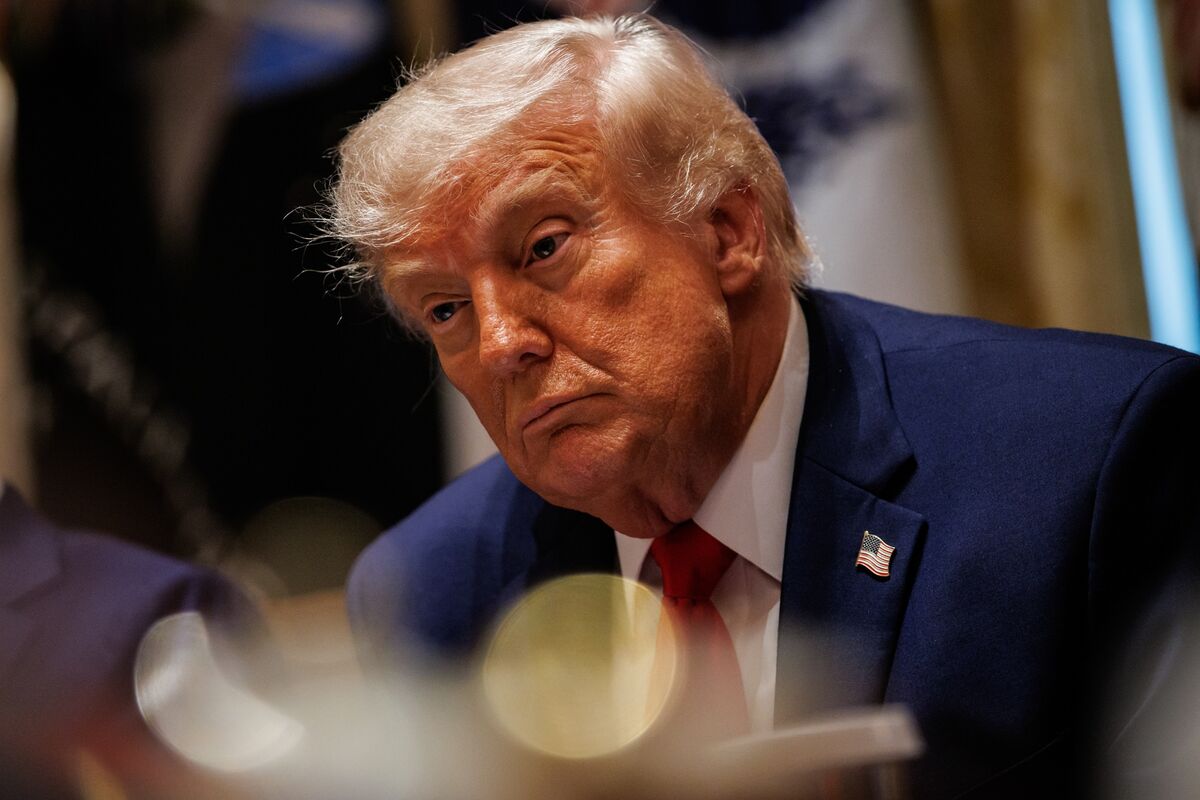
Image via Bloomberg
Trump Re-Loads the Tariff Cannon at India — And Keeps a Hand on Their Oil
Bloomberg’s framing is the key: this isn’t just tariffs. Trump is testing a softer India at the exact spot that matters most to any emerging market importer — energy.
The leverage is ugly and effective. If Washington tightens the screws on India’s access to Venezuelan and Russian barrels (directly or via sanctions enforcement), New Delhi’s inflation math worsens fast: higher input costs, weaker currency, tighter domestic policy, slower growth.
Markets hate this because it’s not a one-off headline. It’s a policy regime risk: tariffs plus energy constraint equals a rolling shock to India’s trade balance and to global supply chains that quietly leaned on India as a “China+1” workaround.
📈 Fred's Take: This is a negative India equity impulse with a side order of higher global inflation risk. If you’re long “EM resilience,” understand the trade: India can absorb tariffs, but it can’t shrug off a forced energy repricing. The winners are crude volatility, defense names, and any U.S. industrials that get reshored demand; the losers are Indian cyclicals and anyone pricing a clean disinflation glidepath.

Image via Fox Business
ADP Comes in Hotter — 122K Jobs, Enough to Keep Rates Higher for Longer
ADP says private payrolls rose 122,000 in May, above the 99,000 estimate. The prior month was revised down to 62,000, so the trend isn’t exploding — but it’s not rolling over either.
In this tape, “not rolling over” matters. The Fed doesn’t need scorching prints to stay restrictive; it needs the labor market to stop cooling. A steady jobs drumbeat keeps wage pressure alive and keeps the market from pricing aggressive cuts.
Translation: this is a rates story before it’s an equities story. Front-end yields stay supported, and anything priced off easy money (unprofitable growth, long-duration tech, frothy crypto beta) loses its free tailwind.
📈 Fred's Take: ADP isn’t payrolls, but it’s a reminder that the economy is refusing to break on schedule. That keeps Powell boxed in: cuts get delayed, and the bar for dovishness rises. I’d treat rallies in duration-sensitive stocks as sellable until the labor data actually cracks, not just “slows.”
Stocks Slip, Oil Rips: Iran Risk Premium Is Back in the Price
Reuters notes stocks dipped as fresh Iran-related attacks hit the wire and oil moved higher. This is the classic cross-asset tell: when crude spikes on geopolitics, equities don’t debate it — they de-risk first and ask questions later.
The mechanical path is simple. Higher oil tightens financial conditions, lifts inflation expectations, and pressures margins for transport, consumer, and industrials. At the same time it props up energy cash flows and pushes more money into defensives.
If you’re wondering why the index feels heavy even when domestic data is “fine,” this is it: geopolitics is acting like a stealth rate hike.
📈 Fred's Take: Don’t overthink it: higher oil is a tax, and markets trade it like one. Own energy or at least don’t fight it; fade high-multiple growth when crude is breaking higher on conflict headlines. If this persists, gold and short-dated Treasuries both work — for different reasons — and broad equities lose their multiple expansion story.
📎 Reuters

Image via The Hill
CBS Fires Scott Pelley — And the Market Hears ‘Control the Message’
The Hill reports CBS ousted Scott Pelley after he criticized network leadership in a staff meeting. Whether you like Pelley or not, the signal to the newsroom is obvious: internal dissent has a cost.
For investors, this isn’t celebrity gossip. It’s governance optics and brand risk colliding with an already-fragile media business model. News divisions are supposed to be trust engines; when leadership looks political or punitive, trust erodes, and trust is the only moat legacy media has left.
That trust premium matters in negotiations, talent retention, and ad pricing — especially when every platform is competing with algorithmic outrage that’s cheaper to produce.
📈 Fred's Take: This is bad business disguised as “management.” If you’re a media operator, you protect credibility like you protect cash flow — because credibility is the cash flow. Expect more audience fragmentation, more talent movement, and more pressure on legacy media valuations as politics keeps eating the product.
📎 The Hill
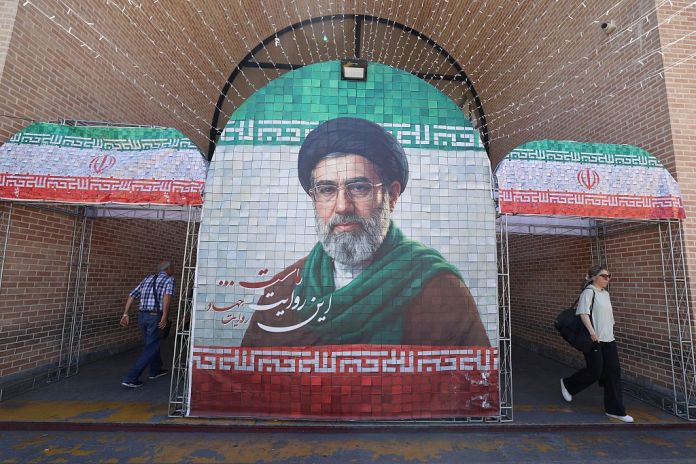
Image via Washington Examiner
Iran Hits Kuwait and Bahrain — This Is the Supply Chain Shock Nobody Budgeted
The Washington Examiner reports Iran launched one of its most damaging attacks since the April ceasefire, hitting Kuwait and Bahrain and causing extensive damage to a Kuwaiti airport. This isn’t symbolic. It targets logistics, throughput, and regional confidence.
Even if energy infrastructure isn’t the direct headline, airports and regional nodes matter for high-value supply chains, military staging, and business continuity. The market reads this as escalation risk and reprices the whole Gulf corridor accordingly.
That repricing shows up fast: higher insurance costs, higher shipping premiums, more hedging demand, more volatility in oil and FX — and a broader bid into security, defense, and hard assets.
📈 Fred's Take: The “ceasefire” label is now irrelevant; the trade is escalation until proven otherwise. This keeps a floor under crude and volatility, and it makes the Fed’s inflation job harder even if U.S. growth cools. If you’re underweight energy and defense, you’re relying on diplomacy to save your portfolio — that’s not a strategy.
That’s the board. Trade what’s real: tariffs tighten, jobs don’t crack, and geopolitics is back as a macro variable. — Fred Frost
— Fred Frost
