Today’s Sponsor
Oil markets are shifting as Venezuela's disruption removes critical barrels while spare capacity shrinks. Supply pressure is building before headlines catch up — and smart traders are positioning now.
Our exclusive briefing reveals three energy stocks emerging from this supply shock, plus the key signals to monitor as this setup evolves. This is about preparation, not prediction.
Get the Free Oil Trading ReportBy following the links above, you're opting in to receive valuable updates from Wealthiest Investor News plus 2 bonus subscriptions. Your privacy is important to us. You can unsubscribe anytime. See our privacy policy for details.

It’s July 1. Washington is moving fast: loosening AI exports, tightening farm chemistry, and selling “missions accomplished” overseas. Markets will price the consequences before the press office finishes the spin.

Image via Washington Examiner
DC Uncorks Anthropic Exports — AI Trade Is Back On
The U.S. lifted export controls on Anthropic’s advanced Mythos and Fable models after the company added additional safeguards. Translation: Washington is shifting from “stop the leak” to “manage the pipe,” betting it can let U.S. models travel without handing adversaries a turnkey capability.
This is a policy tell. The administration is acknowledging what the desks already know: you can’t freeze frontier AI in place without kneecapping U.S. tech revenue and pushing demand to offshore substitutes. Expect more “guardrails” language and more licensing, not broad bans — especially as allied governments line up to buy American-grade models rather than build their own from scratch.
📈 Fred's Take: Bullish for U.S. AI commercialization, not just the model makers. If export gates are reopening, the next leg is enterprise deployment, cloud consumption, and a new wave of AI services revenue that actually shows up in earnings. Watch mega-cap cloud, AI infrastructure, and anything tied to model distribution — and expect a policy premium to come off the sector’s multiples.

Image via Axios
Trump Sides With MAHA in Pesticide Blowup — Ag Chem Just Got a New Risk Line
Axios reports a heated, “shocking” Oval Office fight over pesticide policy, with President Trump backing MAHA-aligned pressure against status-quo chemical use. An agriculture lobbyist warned that an executive order pushing alternatives could hit yields and farm economics — the kind of warning that normally ends these conversations.
This isn’t a culture-war sideshow. If the White House starts signaling restrictions, reformulation mandates, or accelerated review timelines, you’re looking at a regulatory overhang across crop protection, seeds, and parts of packaged food. It also hands state regulators and trial lawyers fresh oxygen, which is where these trades usually turn ugly.
📈 Fred's Take: This is a volatility injector for ag-chem and any company with litigation-sensitive exposure. The market will price “regulatory drift” long before a formal ban: higher discount rates on future cash flows, wider credit spreads for the leveraged names, and a rotation toward “clean label” inputs and biologicals. If you own the incumbents, you hedge now — you don’t wait for the executive order headline to gap you down 8% pre-market.
📎 Axios

Image via Politico
Colorado Goes Red (DSA Red): Kiros Drops a 30-Year Incumbent — The Party’s Center of Gravity Keeps Sliding
A 29-year-old democratic socialist, Melat Kiros, just toppled Rep. Diana DeGette in Colorado’s 1st District primary. That’s not a protest vote — that’s a machine getting outflanked. When a nearly 30-year incumbent loses in a safe seat, it signals donors, committees, and interest groups that the old coalition math is changing.
Markets should read this as policy tail risk compounding, not a single-seat curiosity. A stronger DSA bloc means louder pressure on drug pricing, bank fees, rent control-style housing policy, and tougher labor rules. Even when these ideas don’t pass, they drag the negotiation baseline left — and that affects corporate margins through compliance cost, pricing power, and headline risk.
📈 Fred's Take: This is incremental bearishness for heavily regulated sectors that depend on “status quo Democrats” to water things down — think big pharma, managed care, large banks, and certain REIT models. It’s also a reminder that political risk is now primary-driven, not general-election-driven. If you’re allocating for 2027 earnings stability, you start stress-testing for more aggressive price controls and fee caps now.
📎 Politico

Image via The Hill
Venezuela Uses Quakes as Cover — Instability Premium Rises Across LatAm Energy
The Hill argues Venezuela’s interim regime is using the earthquake disaster to tighten control and obstruct democratic pressure, with security forces arriving armed rather than equipped for relief. Disaster politics is a classic authoritarian tool: control the aid, control the narrative, and punish opposition networks when they’re most vulnerable.
For markets, Venezuela is never just Venezuela. Any further clampdown increases the odds of messy outcomes: tighter sanctions enforcement, more supply disruptions, and higher regional migration stress. It also complicates any “pragmatic” energy détente story, because Washington can’t sell leniency at home when images of repression are circulating.
📈 Fred's Take: This is a small-but-real upside skew for oil risk premium, especially if sanctions posture hardens again. Don’t overtrade it — Venezuela barrels are the swing narrative more than the swing reality — but you keep it on the dashboard if you’re short energy or long airlines/transport. In LatAm, instability doesn’t ring a bell; it bleeds into credit, currencies, and election outcomes.
📎 The Hill
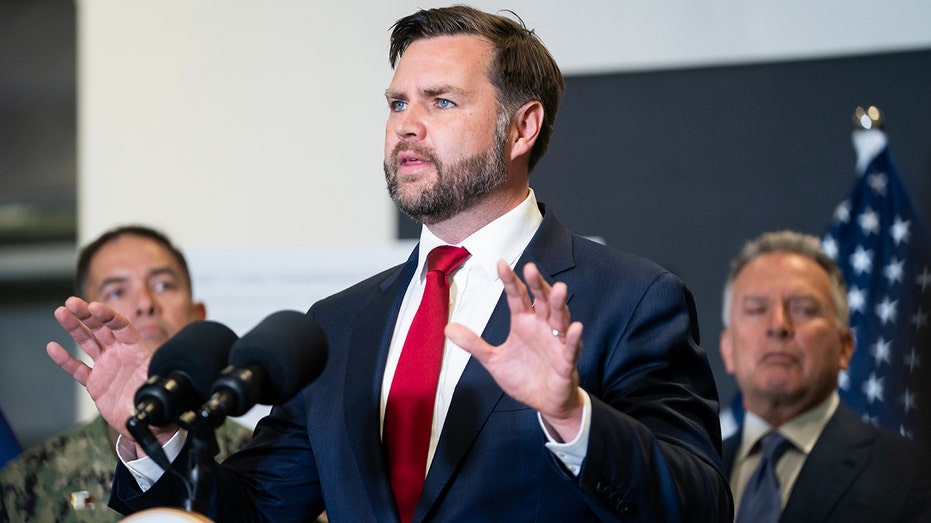
Image via Fox News
Vance: “Core Mission” on Iran Done — Markets Hear: Risk Premium Is Up for Renegotiation
Vice President JD Vance said the U.S. is in a “great position” with Iran and has accomplished the “core mission,” framing the situation as a win for Americans and leverage for negotiations. That’s a deliberate message: project control, reduce panic, and signal the U.S. thinks it holds escalation dominance.
The market question isn’t the rhetoric — it’s whether shipping lanes, proxy activity, and sanctions enforcement actually calm down. If this is a pivot toward a tighter deal or a harder line, the path matters. “We hold all the cards” can mean de-escalation through leverage, or it can mean miscalculation risk if Tehran plays a different hand.
📈 Fred's Take: If the administration is confident, energy vol should bleed lower — but only if the tape sees fewer disruptions, not more podium talk. My base case: some risk premium comes out of crude, but it won’t fully unwind because the geopolitical playbook is now permanent. Stay hedged if you’re structurally short oil; treat any dip as fragile until the shipping and enforcement data confirm it.
📎 Fox News
Trade the policy, not the press release. Fred Frost
— Fred Frost
