Today’s Sponsor
With government debt soaring and inflation still biting, smart investors aren't waiting for volatility to hit — they're preparing now. The Gold Wealth Blueprint breaks down exactly how gold has historically shielded portfolios during periods of fiscal strain and market uncertainty.
Inside, you'll discover why gold moves differently than paper assets, how to use it as a practical hedge, and how to size your exposure without overcommitting. It's concise, actionable, and free — but don't sit on it.
Get the Free Gold Wealth BlueprintBy following the link above, you're choosing to opt in to receive insightful updates from Investor News + 2 free bonus subscriptions. Your privacy is important to us. You can unsubscribe anytime. See our privacy policy for details.

Thursday, July 23, 2026. Markets are staring at a narrow leadership tape, a fresh geopolitical energy premium, and a Washington foreign-policy package that can move oil, defense, and rates in one shot.
Image via MarketWatch
JPMorgan flags a 1999-style AI split: hyperscalers vs the picks-and-shovels
JPMorgan’s warning is simple: the AI trade is bifurcating the way tech did in the late 1990s. The platform names with the distribution and the cash flow are behaving like the "new economy" generals, while chips, networking, power and data-center infrastructure are starting to trade like late-cycle momentum assets that can go from loved to liquidated fast.
This isn’t about whether AI is real. It’s about position, expectations, and who can defend margins when capex and power constraints collide with slowing top-line growth. When the market stops paying for "AI exposure" and starts paying for "AI earnings," the whole complex reprices in weeks, not quarters.
📈 Fred's Take: This is the window where leadership either broadens or the whole complex gets de-rated. If semis and infrastructure can’t make new highs on good news, you’re in distribution, not consolidation. I’d rather own the toll collectors with recurring revenue and pricing power than the most crowded beta trades into August vol.

Image via Politico
Arizona Dems pick Amish Shah in a must-win House battleground
Amish Shah just won the Democratic primary in Arizona’s 1st District, beating a DCCC-backed candidate in one of the party’s top pickup targets. Translation: the base flexed on the establishment in a seat that will decide a lot more than one House vote.
Markets don’t price personalities; they price margins in Congress. A tighter, messier general-election fight raises the odds of a narrow House outcome, which raises the odds of fiscal brinkmanship headlines later. And yes, that flows straight into rates volatility and defense-border policy trading.
📈 Fred's Take: This pushes the House map toward chaos, not clarity, and chaos is duration-hostile. Expect more headline-driven rate spikes and a higher premium on quality balance sheets into the fall. If you’re long small caps on a clean policy glidepath, you’re betting against the tape.
📎 Politico
Houthis hit Saudi tankers: the Red Sea risk premium is back on the screen
Houthis attacked two Saudi oil tankers in the Red Sea, dragging shipping security back into the macro conversation. Every time the Red Sea corridor gets hot, you get the same chain reaction: higher war-risk insurance, detours, longer transit times, and a higher delivered cost for energy and goods.
Even if barrels aren’t lost, the market re-prices the tail risk. That shows up first in crude and products, then in inflation breakevens, then in the front end of the curve when traders start gaming what central banks do with a renewed energy impulse.
📈 Fred's Take: This is a tax on disinflation. If crude rips, the first trade is energy equities and the second trade is selling rate-cut fantasies. Keep an eye on shipping and refiners too: the winners aren’t the ones with the best narratives, they’re the ones with the best logistics.
📎 AP News
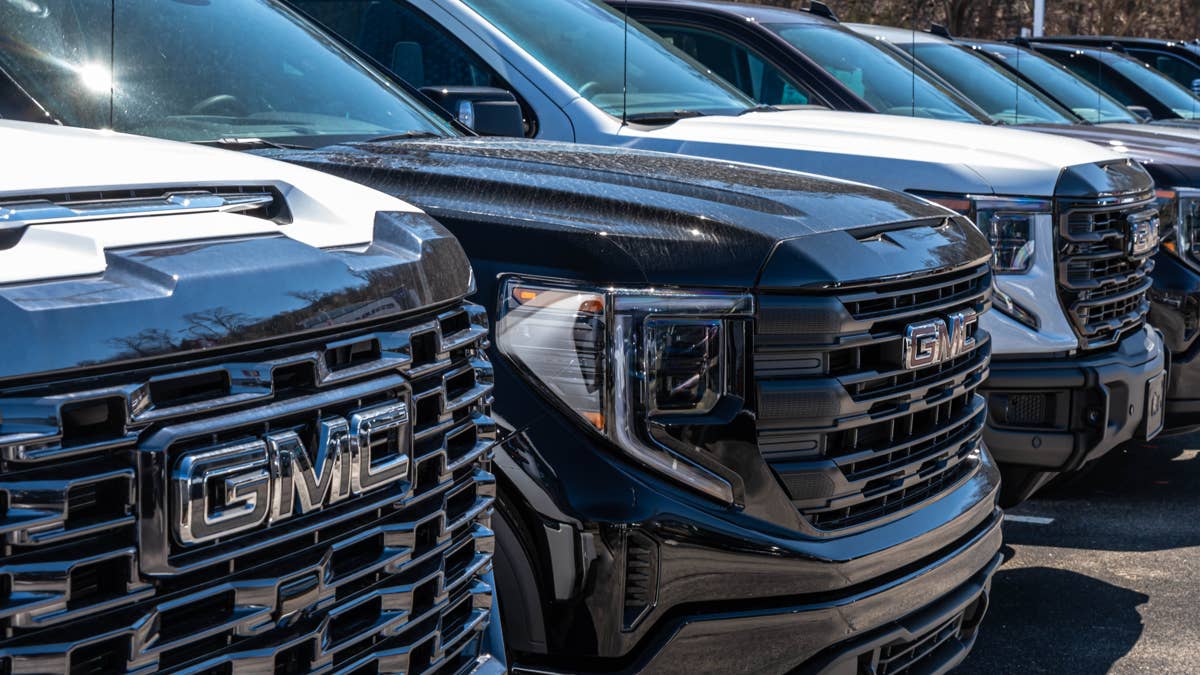
Image via TheStreet
GM gets a new target after earnings: the market’s rewarding execution, not slogans
GM printed a better-than-expected quarter and raised full-year guidance, and the stock’s been on a heater. An analyst followed with a new price target, essentially blessing the idea that GM can keep converting pricing, mix, and cost discipline into real cash flow while the broader auto cycle stays lumpy.
The key is that the market is no longer paying for EV ambition alone. It’s paying for durability: margins, buybacks, and a path through labor, incentives, and China/Europe uncertainty. When guidance rises and the multiple holds, that’s a regime change for an old-economy name.
📈 Fred's Take: GM is trading like a cash-flow story again, and that’s a different animal than a hype-cycle auto stock. If management keeps the guide trending up, the stock can grind higher even if unit growth is meh. I’d own it as a value-duration hedge against expensive growth, not as a bet on a perfect consumer.
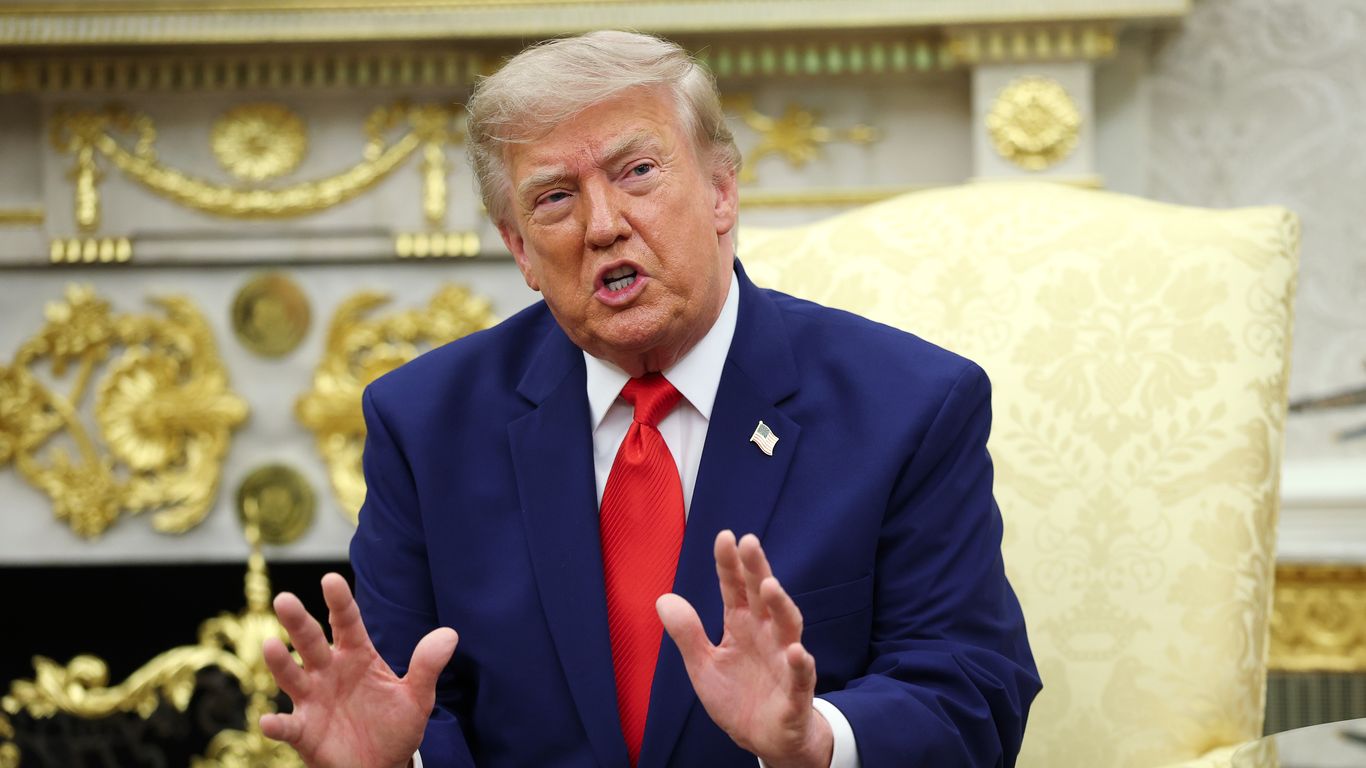
Image via Axios
Trump’s Saudi nuclear deal terms: no enrichment, Israel normalization, and a market-moving fuse
President Trump says the new U.S.-Saudi nuclear deal bars uranium enrichment and requires Saudi normalization with Israel. If true, that’s a three-asset story: Middle East security risk, energy supply expectations, and U.S. defense-industrial demand.
Normalization talk can compress geopolitical risk premia at the margin, but the path there is never linear. Any domestic backlash, regional spoilers, or verification disputes can flip this from "risk-on" headline to "risk-off" real fast. Markets will trade the credibility, not the press release.
📈 Fred's Take: If enrichment is truly off the table and verification is tight, that’s a medium-term volatility dampener for oil and a tailwind for regional investment flows. But the trade is not "peace," it’s "headline whiplash" until implementation is real. I’d fade complacency in crude vol and stay long the parts of defense that benefit from sustained regional deterrence spending.
📎 Axios
That’s the board. Stay nimble: narrow leadership, rising geopolitics, and Washington math all hit the same place at once. Trade the cash flows, respect the tape.
— Fred Frost
