Today’s Sponsor
With government debt soaring and inflation still biting, smart investors aren't waiting for volatility to hit — they're preparing now. The Gold Wealth Blueprint breaks down exactly how gold has historically shielded portfolios during periods of fiscal strain and market uncertainty.
Inside, you'll discover why gold moves differently than paper assets, how to use it as a practical hedge, and how to size your exposure without overcommitting. It's concise, actionable, and free — but don't sit on it.
Get the Free Gold Wealth BlueprintBy following the link above, you're choosing to opt in to receive insightful updates from Investor News + 2 free bonus subscriptions. Your privacy is important to us. You can unsubscribe anytime. See our privacy policy for details.

Tuesday, August 4, 2026. Five moves in politics that hit portfolios: labor pricing, climate risk, alliance math, Middle East volatility, and the DOJ’s posture toward markets.

Image via The Hill
AI Skills Just Ate The MBA Premium
A new exec survey says the labor market has re-priced status and re-priced skills. The headline number: 91% of executives surveyed say they are increasing compensation for employees with AI skills.
That is a direct signal on where margins get squeezed and where revenue gets pulled forward. If you are a company without an AI adoption story, you are about to pay higher wages anyway, then watch the productivity gains show up at your competitor.
The second-order trade is training, tooling, and compliance. Firms will spend on platforms, internal model governance, and data pipelines because paying for AI talent without infrastructure is like hiring traders without a clearing line.
📈 Fred's Take: This is wage inflation, but targeted, and that makes it more dangerous: it doesn’t show up evenly, it shows up where the growth capex is already concentrated. Long the picks-and-shovels that monetize AI rollout and security; short the white-collar-heavy sectors that keep calling AI a “pilot” while their comp bill resets. The MBA is a credential; AI skill is a P&L lever, and the market pays for leverage.
📎 The Hill
Spokane Wildfires Add A New Line Item: Arson Risk
Spokane is battling devastating wildfires, and authorities have arrested an arson suspect. When fires are this destructive, the market stops treating them as seasonal noise and starts treating them as persistent operating conditions.
For investors, the immediate pressure points are insurers, reinsurers, municipal budgets, and utilities. Every headline about ignition cause tightens the loop between liability, underwriting, and rate approvals. And it pushes more capital toward “defensible space” services, grid hardening, and water infrastructure.
If you want the macro read: repeated wildfire shocks are a stealth tax. They raise the cost of housing, raise the cost of coverage, and raise the cost of doing business across the inland West.
📈 Fred's Take: Arson is gasoline on the litigation stack. If investigators can tie damages to intent, you get a faster escalation in claims posture and political pressure on utilities and insurers, and that bleeds into credit spreads. This is not a one-day trade; it’s a regime shift that favors infrastructure capex names and punishes anyone underwriting “normal weather.”
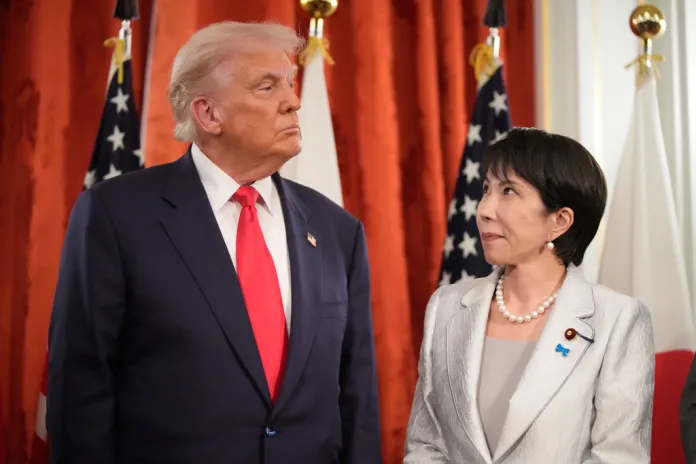
Image via Washington Examiner
Trump’s Alliance Map Tilts To Asia, And Europe Pays The Bill
A Washington Examiner column argues Trump has found better allies in Asia and is sorting partners into those worth diplomatic energy and those that aren’t. The point isn’t tone. The point is allocation: where the U.S. spends security capital and where it demands payment.
If Europe slides down the priority list, markets should expect louder burden-sharing fights, more transactional defense procurement, and less patience for trade frictions. Meanwhile, Asia alignment centered on China containment points toward more industrial policy, more dual-use technology controls, and more defense and energy deals tied to loyalty.
FX and rates care because alliances are balance sheets. Defense commitments, basing agreements, and supply-chain security all translate into fiscal choices and cross-border investment flows.
📈 Fred's Take: If the U.S. is serious about an Asia-first posture, defense and semicapex aren’t optional; they’re the admission price. That’s bullish U.S. and allied defense primes, selective shipbuilding, and secure supply chain plays, and it’s bearish for Europe’s “peace dividend” assumptions. Europe either spends or it gets discounted.

Image via ZeroHedge
Gaza Strikes Spike After The “Historic Deal” Headlines
ZeroHedge flags regional reporting of a major uptick in Israeli airstrikes on Gaza after Trump touted a “historic” Hamas deal. Whether you buy the framing or not, the market only needs one truth: the kinetic tempo is rising, not falling.
When volatility rises in the Middle East, the transmission channels are immediate: crude risk premium, shipping insurance, and defense restocking. Even without direct disruption, traders price the tail, and that tail sits right on top of energy, EM FX, and inflation expectations.
The other channel is political. Escalation forces Washington to pick bandwidth and spending priorities, and that competes with everything else on the fiscal calendar.
📈 Fred's Take: Energy doesn’t need a supply cut to trade like it’s coming; it only needs uncertainty to stay bid. If strikes continue to climb, expect a firmer oil tape and a harder time for disinflation narratives, which means the long end stays jumpy. Own some energy beta or inflation hedges; don’t be naked short volatility here.

Image via Daily Caller
Todd Blanche Cuts A Deal, DOJ Direction Comes Into Focus
Acting AG Todd Blanche has reached a deal with GOP holdouts, clearing the path for a confirmation vote. Personnel is policy, and DOJ leadership is not just a Washington story; it’s a market structure story.
The question investors should ask is how enforcement priorities shift across antitrust, crypto, market manipulation, and corporate settlements. A confirmed AG with political backing can move faster, pick higher-profile targets, and set a tone that changes risk premiums for entire sectors.
This also intersects with election-year incentives: if Washington wants headlines, DOJ is one of the quickest levers to pull, and compliance budgets become a forced form of capex.
📈 Fred's Take: Confirmation risk is regulatory risk, and regulatory risk is valuation risk. If Blanche’s deal signals a more aggressive or more predictable DOJ, markets will re-price litigation and enforcement discounts fast, especially in crypto rails and mega-cap platforms. The trade is simple: favor companies with clean governance and strong compliance, and avoid business models that require regulatory ambiguity to grow.
That’s the tape. Keep position sizes honest, respect the headline risk, and let the winners pay for the hedges.
— Fred Frost
