In partnership with

Can’t Buy the Next AI IPO Yet? Watch 3 Stocks.

Wall Street is preparing for what could become one of the biggest AI IPOs in history. But ordinary investors may have to wait until shares begin publicly trading to participate directly.
Meanwhile, three publicly traded companies could offer exposure to the AI infrastructure and investment boom surrounding Anthropic. Two are familiar names. The third is a lesser-known company that many investors haven't connected to the story.
A new, free briefing reveals all three tickers, potential entry prices, and a bonus fourth company holding thousands of patents tied to the AI race.
See the three stocks before the next wave of attention arrives. Free briefing, no credit card required.

Anthropic IPO adrenaline is back in the tape, cyber gets an earnings upgrade, 2028 jockeying starts early, and crypto tries to piggyback the AI bid.

Image via MarketWatch
Palo Alto Prints: AI Makes Cyber A Non-Optional Line Item
Palo Alto Networks came in with earnings that didn’t just clear the bar, they raised the bar. Management leaned into the same reality every CISO already knows: the threat environment is accelerating, and AI is widening the attack surface faster than most org charts can react.
The key detail is the outlook bump. In a market that punishes “beat-and-raise-lite,” Palo Alto gave investors what they pay for: visibility that the pipeline is real and the demand is durable. Translation: cyber isn’t a project budget anymore, it’s an operating condition.
The stock reaction makes sense because this is one of the few AI-linked trades where the buyer is forced, not optional. Companies can delay a shiny AI initiative. They can’t delay keeping the lights on after the next automated breach.
📈 Fred's Take: This is the cleanest kind of AI leverage: AI increases risk, risk increases spend, spend flows to platforms with scale and trust. If rates stay sticky, the market will keep paying up for recurring revenue that’s tied to necessity, not vibes. I’d rather own cyber cash flows than chase the 40th “AI app layer” that dies the moment budgets tighten.

Image via Politico
Team Pete Reloads: Early 2028 Money Signals A Long Primary And A Lot Of Noise
Buttigieg allies are spinning up an independent “Team Pete” PAC to rebuild the volunteer and grassroots donor machine from 2020. This is the earliest stage of what matters in modern primaries: list-building, small-dollar infrastructure, and media oxygen.
Markets won’t price Buttigieg today. They will price the implication: Democrats are getting ready for a real nomination fight, not a coronation. That means more messaging drift, more policy trial balloons, and more pressure to pitch populist economics to win a base that’s still mad about prices.
The second-order effect is time. A longer, louder primary pushes clarity on tax, antitrust, energy, and health care further out. Uncertainty doesn’t crash markets, but it widens risk premia and keeps boards cautious on capex and hiring.
📈 Fred's Take: Treat early 2028 maneuvering as volatility glue, not a directional trade. The bigger risk is policy positioning: whoever wins will be rewarded for sounding tougher on corporate margins and “fair pricing,” which is shorthand for more regulatory noise. If you’re long US equities, you want earnings momentum to be strong enough that politics becomes background static again.
📎 Politico
Trump, Xi, Putin Talk Oil And Nuclear Risk: Stability Theater, Not A Reset
AP reports Trump, Xi, and Putin reached agreements around oil and nuclear risk management, but nothing that qualifies as a clean breakthrough. That’s consistent with where geopolitics is right now: lots of phone calls, lots of “frameworks,” and very little that changes constraints on the ground.
For markets, the oil angle is the only part that matters intraday. Any signaling that major producers and major consumers want fewer energy shocks can cap the extreme tails in crude, even if it doesn’t solve the structural problem of supply discipline versus demand swings.
On nuclear risk, the market reads “talking” as better than “not talking,” but it doesn’t reprices defense, uranium, or energy security themes unless there’s a verifiable mechanism with enforcement. This sounds like de-escalation language designed to calm headlines, not rewire incentives.
📈 Fred's Take: Don’t trade peace headlines. Trade verified barrels and verified constraints. If this chatter reduces the risk premium in crude for a week, fine, but the bigger setup is still energy volatility plus defense demand that doesn’t go away just because leaders shared a stage. I’d fade any sharp oil selloff that isn’t backed by actual supply data.
📎 AP News
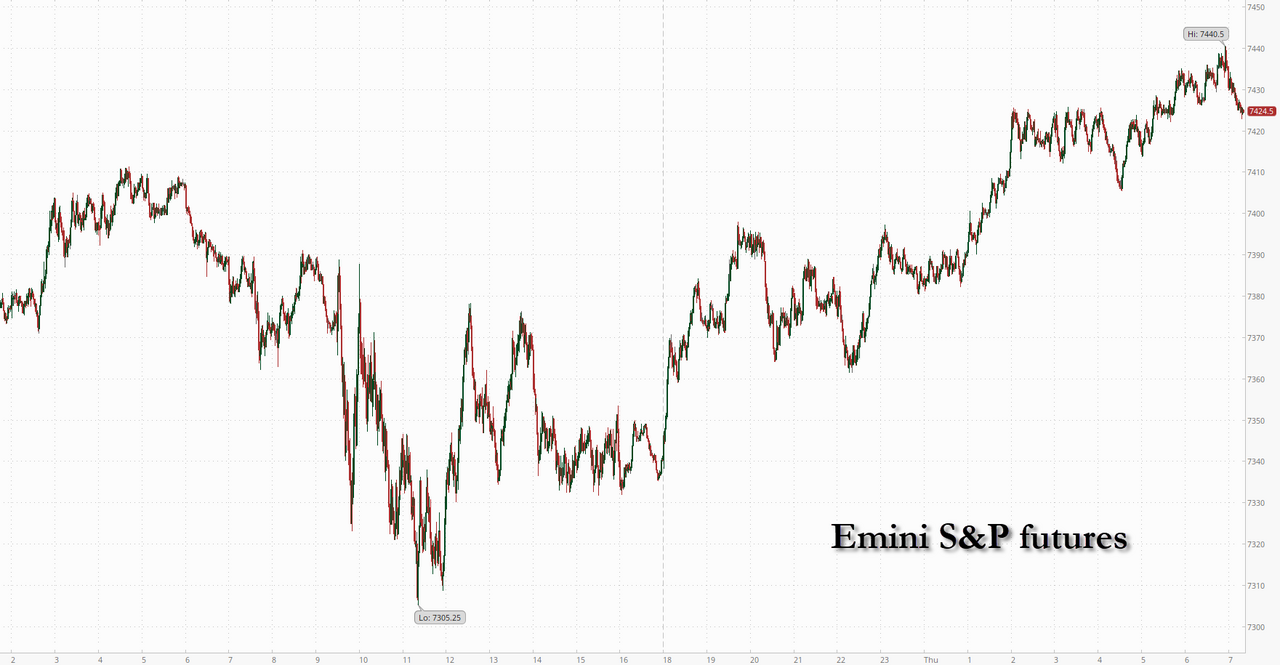
Image via ZeroHedge
Anthropic IPO Mania Lights The Fuse Again; Asia Chip Tape Says “Careful”
ZeroHedge says US futures are ripping with Nasdaq contracts surging on a blockbuster Anthropic IPO frenzy, while Asian chip names get hit. That split tape is your tell: US investors are buying the story again, but the supply chain is pricing the hangover.
Here’s what’s really happening in IPO-driven AI bursts: it’s a liquidity event for the entire complex. Funds chase the new shiny object, they rebalance around it, and anything adjacent with a high beta gets yanked around. The first move is euphoria, the second move is collateral damage.
If Asian semis are puking while US index futures pump, the market is shouting that valuations are stretched and positioning is crowded. That doesn’t kill the rally, but it changes the risk management: you stop buying everything that says “AI” and you start paying attention to margins, supply, and capex cycles.
📈 Fred's Take: Anthropic doesn’t just price an IPO, it reprices the whole narrative stack: compute, power, cloud, and every “AI beneficiary” pitch deck on Wall Street. The trade is real, but it’s not broad-based and it’s not gentle. If you’re chasing, do it in names with pricing power and cash flow, not in levered beta that collapses the moment the IPO calendar jams.

Image via Benzinga
Ripple’s Garlinghouse Calls A Crypto Rebound: Liquidity Math, Not Destiny
Benzinga reports Ripple CEO Brad Garlinghouse says the recent crypto sell-off reflects investors pulling liquidity out of Bitcoin and XRP to fund participation in the Anthropic IPO action, and he’s framing that as a setup for a rebound. That’s a plausible micro story: when a hot deal hits, weak hands sell what they can sell.
But crypto doesn’t move on one IPO. It moves on global dollar liquidity, real yields, and risk appetite across equities. If the AI trade is back and vol is compressing, crypto can catch a bid simply because traders re-lever risk.
The problem is timing. Crypto rebounds are not symmetrical. When liquidity comes back, it doesn’t spread evenly across tokens; it concentrates where flows are clean and where liquidity is deepest.
📈 Fred's Take: Yes, liquidity rotation can explain a chunk of the dump, but it doesn’t guarantee a reflexive moonshot. Watch real yields and the dollar first; if they’re rising, any crypto bounce is a trade, not a trend. If they’re falling while equities rip, then crypto can re-rate quickly, but stick to the highest-liquidity lanes and keep your stops tight.
📎 Benzinga
That’s the tape: IPO adrenaline is back, cyber is mandatory spend, and politics is warming up early. Trade what’s real, hedge what’s noisy.
— Fred Frost

