| Not a fan of Fred? Unsubscribe here. |

Singapore’s AI Push Signals a Shift in Economic Strategy
Government-Backed AI Expansion Raises Stakes for Investors
February 13, 2026
|
| MorningBullets is the fastest way to catch up on the market and political news that matter most to your money. Quick takes, sharp insight, and curated opportunities—served fresh every weekday morning. |
|
Sponsored Content
The Next Crypto Cycle Is Already StartingETFs, corporate treasuries, and regulation are aligning. Our concise guide, Top 5 Digital Assets Set to Surge Through 2026, outlines where we think early opportunity sits, and how to act before the crowd.
📥 Access Your Free Report
By following the links above, you’re opting in to receive valuable updates from Wealthiest Investor News plus 2 bonus subscriptions. Your privacy is important to us. You can unsubscribe anytime. See our privacy policy for details. Privacy Policy |
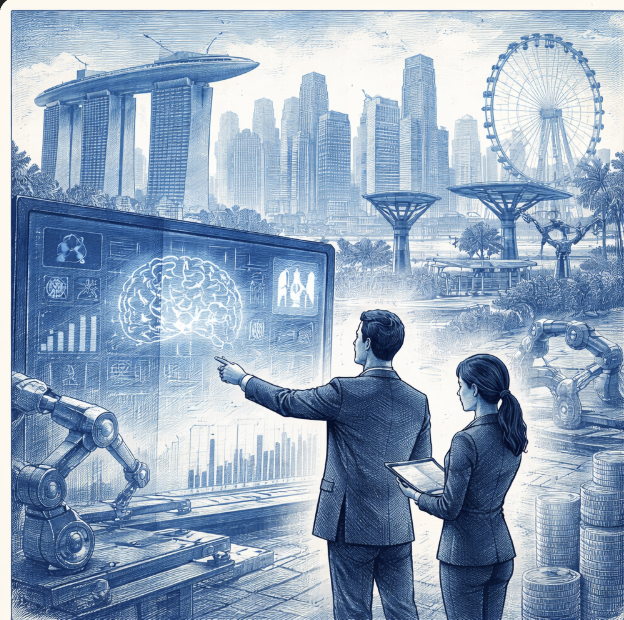 AI Moves From Tech Trend to State Policy
|
Good Morning, Singapore just used its national budget to push companies toward full scale AI adoption, signaling that artificial intelligence is now economic strategy, not just tech ambition. We break down what was said, why it matters for banks and platform companies, and how this kind of government backing can reshape competition across Asia. If you’re indexed to global financials or overweight AI leaders, this is the one to read.Ford pivots away from EVs after an $11.1B loss, Coinbase stumbles on weak Q4 crypto revenues, and Kraft Heinz scraps its breakup plan in favor of a $600M turnaround effort. Don't forget to voice your opinion in my polls below. Here are your Morning Bullets. – Truly yours, Fred Frost |
📉 Yesterday's Market RecapYesterday’s trading session was a bloodbath for U.S. markets, as fears over AI sector overvaluation sparked a broad sell-off. The Dow plummeted 670 points, losing its grip on the 50,000 milestone, while the Nasdaq took a 2% hit. Investors fled to defensive sectors, but even gold and treasuries couldn’t escape the downward pressure.
|
📉 Daily Performance Snapshot
|
🔭 What to Watch TodayToday’s calendar is packed with data drops and policy ripples that could sway markets. Keep your eyes on inflation numbers and political fallout—here’s what’s on deck. |
💡 Opportunity WatchAmid the noise of policy shifts and earnings surprises, a few sectors are flashing green for sharp investors. Here are three areas where the numbers suggest potential upside if you play it smart.
|
Sponsored Content
The Accumulation Phase: What You're MissingBefore a company trends, there is a quiet phase. No headlines. No urgency. Just steady positioning. This is the "accumulation" phase—and it's where the groundwork is laid. We are seeing this exact early-stage behavior surface right now in a small group of under-the-radar small-cap names.
By clicking the link you will automatically be subscribed to the Kryptonstreet Newsletter (Privacy Policy) |
:fire: The Big BulletSingapore’s budget message spotlights AI, with DBS and Grab held up as examplesWhat happened: Singapore’s prime minister used the country’s budget speech to push businesses to adopt AI more widely. He said companies should use AI across their work, not just in small pilots. In the same speech, he pointed to DBS and Grab as examples of firms moving faster on AI change. The message was not about one new product launch, but about a national push to keep the economy competitive. It also signaled that AI is now a mainstream topic in government planning, not a side issue. Investors heard this as a clear policy direction: AI use is becoming a baseline expectation for big employers. More detail came from the budget speech comments praising DBS and Grab for AI transformation. Why it matters: When a government talks this directly about AI, it can shape where money and talent go next. It can also speed up AI spending by banks, tech firms, and even smaller suppliers that support them. For markets, the big question is whether faster AI rollout lifts profits soon or just raises costs first. It may also add pressure on companies that are behind, because customers and regulators can start expecting better service and stronger risk controls. In Asia, this kind of messaging lands while investors are already nervous about how AI could disrupt jobs and business models. That wider mood showed up in Asian markets reacting after Wall Street losses tied to AI-related worries. If AI fears grow, “AI winners” and “AI laggards” can trade very differently, even within the same sector. For conservative investors, it’s a reminder that policy signals can move sentiment before earnings do. What’s next: Watch for follow-up steps that turn the speech into action, like new programs, tax support, or training plans. Also watch what DBS and Grab say next, since being named publicly can raise expectations for results. If more Asian firms roll out AI tools quickly, it could change competition across banking, payments, and consumer apps. Another near-term signal is how large platforms are putting AI into everyday products, which can speed adoption across millions of users. One example is Baidu adding an AI assistant into its search app for hundreds of millions of users. Moves like that can push other companies to match features faster, even if the payoff is unclear. Finally, keep an eye on market reaction in tech and financial stocks if AI headlines keep driving daily swings.
|
Reader Feedback
Last time, I asked you: If Siri’s upgrade is delayed, what does it say about Apple?
The majority of you at 60% said "It’s smart to wait until it works right”
Logan from North Dakota replied: “I think it’s smart for Apple to wait and make sure it works right before they release it.”
Here's what I'm asking you today:
As always if your opinion is not here, or you want to throw your two cents at me, reply to the E-mail, and let me know your exact thoughts.
🧭 Policy & Market Ripples
|
📜 This Day in History – February 13February 13 is a tour of technological inflection points — radio broadcasts scaling nationally, computing stepping into the future, chemical innovation getting institutionalized, and currency itself modernizing. A tidy ledger of how systems evolve.
|

Today's Trivia
88% of you chose the right answer to our previous trivia question: Which situation best demonstrates opportunity cost?
|
