| Not a fan of Fred? Unsubscribe here. |

Private Credit Faces a Liquidity Test After Withdrawal Limits
When “Private” Meets Pressure: A Withdrawal Freeze Explained
February 20, 2026
|
| MorningBullets is the fastest way to catch up on the market and political news that matter most to your money. Quick takes, sharp insight, and curated opportunities—served fresh every weekday morning. |
Sponsored Content
This Report Covers 3 Stocks Most Investors Are Missing
Street Ideas is tracking 3 tickers tied to breakout tech, defense, and energy trends.
By clicking this link you will automatically be subscribed to the Street Ideas Newsletter. |
 Tech Stocks Climb on Signs of Policy Truce
|
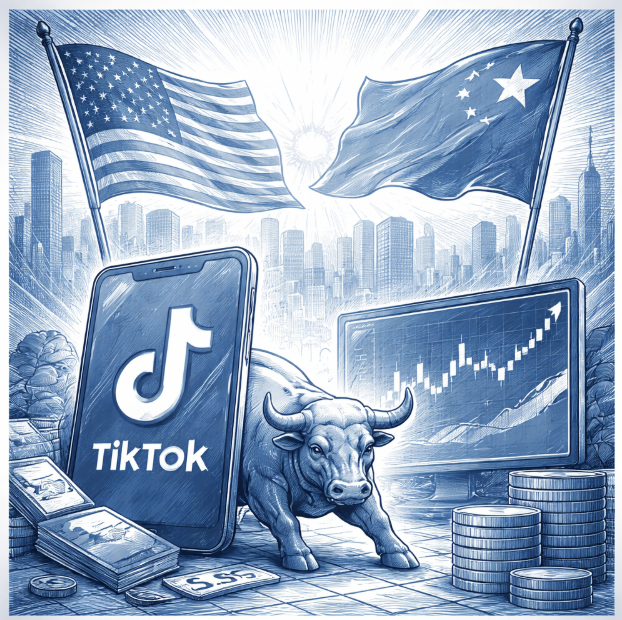
Good Morning, Reports of a U.S.–China “framework” tied to TikTok ease fears of new policy clashes. Investors cheered the idea that tensions may cool, especially in big tech and AI names that have carried the S&P 500. We break down what’s reportedly on the table, why it boosted risk appetite, and how rising Treasury yields could still pressure valuations. If you’re indexed to the S&P or concentrated in AI leaders, this is worth a close lookBitcoin stalls near $67K amid ETF outflows, agentic AI forces a rethink of contract law and compliance costs, and debt settlement programs deliver slimmer savings than many borrowers expect. Don't forget to voice your opinion in my polls below. Here are your Morning Bullets. – Truly yours, Fred Frost |
📉 Yesterday's Market RecapYesterday, U.S. markets snapped a three-day winning streak, with the Dow, S&P 500, and Nasdaq all closing lower. Geopolitical tensions between the U.S. and Iran drove oil prices toward $70 per barrel, spooking investors. Add to that mixed signals from tech and ongoing institutional pullbacks, and sentiment took a hit.
|
📉 Daily Performance Snapshot
|
🔭 What to Watch TodayToday’s calendar brings potential market movers from corporate developments to geopolitical updates. Keep your eyes on these events as they could ripple through equities and energy prices. |
💡 Opportunity WatchAmid market jitters, a few themes stand out for savvy investors willing to look past the headlines. Here are three areas where recent events could spell opportunity if played right.
|
Sponsored Content
Trading the Oil Supply ShockOil markets are adjusting. Venezuela’s disruption is removing key barrels from the system at a time when spare capacity is already limited. We have put together a concise trading briefing, "Top 3 Energy Stocks Emerging From Venezuela’s Disruption," to help you prepare.
By following the link above, you're choosing to opt in to receive insightful updates from Investing Ideas Daily + 2 free bonus subscriptions! Your privacy is important to us. You can unsubscribe anytime. See our privacy policy for details. (Privacy Policy) |
🔥 The Big BulletBlue Owl Pauses Private-Credit Withdrawals, Spooking Alternative-Asset StocksWhat happened: A private-credit fund run by Blue Owl moved to halt quarterly redemptions, meaning some investors could not pull money out on schedule. The news hit market confidence because private credit is often sold as steady and predictable. After the move, shares of other big alternative managers fell, with traders treating it as a warning sign for the whole space. Investors tend to watch these funds closely since they lend to companies outside the regular bank system. The pause raised questions about how easy it is to turn these loans back into cash when people want out. It also revived worries that private funds can look calm until a stress event forces tougher rules. The bigger concern is whether this is just one fund being cautious or a sign that more funds may follow. Some outlets framed it as a moment that could test the “always liquid enough” story behind private credit, including a report on the fund suspending withdrawals. Why it matters: Private-credit funds have grown fast, and many investors treat them as a middle option between stocks and bonds. But these funds can face a basic mismatch: investors want periodic access to cash, while the loans inside the fund may take years to pay back. When a fund limits withdrawals, it can shake trust even if the underlying loans are still performing. That can spill into public markets because listed managers may be judged by how stable their funds look and whether new money keeps coming in. It also matters for companies that depend on private lenders, since tighter fund rules can slow new lending or make borrowing more expensive. The timing is important because the economy has been sending mixed signals, including stronger-than-expected growth that supports risk-taking. At the same time, signs of cooling in the labor market—like fewer incentives for workers to switch jobs—can hint that the economy is settling down. If growth cools further, weaker firms may struggle more with debt, which is exactly what private lenders are exposed to. For everyday investors, the key takeaway is that “private” does not always mean “low-risk,” especially when access to cash can change. What’s next: Watch for updates on whether Blue Owl restores normal withdrawals or keeps limits in place into the next quarter. Investors will also look for signs that other private-credit funds are tightening rules, which would suggest broader stress instead of a single-fund choice. Earnings calls and investor presentations from alternative managers may get more pointed questions about liquidity, loan quality, and redemption policy. Keep an eye on the credit backdrop: if more companies refinance at higher costs or miss payments, private lenders could face tougher decisions. One thing to track is how corporate balance sheets are changing, including cases like a major debt reduction at Occidental, which can ease pressure in a high-rate world. Market mood can shift quickly if investors move from “risk-on” to “risk-off,” especially when big headlines hit. Daily market drivers—like oil price swings and large-company earnings—can also change how people price credit risk from one day to the next. Finally, watch for any policy or regulatory talk around private funds, since new guidance can change how these products operate. If more redemption limits pop up, expect louder market reactions and closer scrutiny across the whole private-credit category.
|
Reader Feedback
Last time, I asked you: What do you think the Federal Reserve should do next?
The majority of you at 51% said "Hold rates steady and wait for more data."
Chloe from Virginia replied: ““I think the Fed should leave rates where they are and wait to see what the new numbers show.”
Here's what I'm asking you today:
As always if your opinion is not here, or you want to throw your two cents at me, reply to the E-mail, and let me know your exact thoughts.
🧭 Policy & Market Ripples
|
📜 This Day in History – February 20February 20 is a reminder that progress scales in both directions — outward into space, inward through education, sideways into new industries, and across borders through international collaboration.
|

Today's Trivia
81% of you chose the right answer to our previous trivia question: Which of the following would most likely increase inflation in the short term?
|
