Today’s Sponsor
One of our most reliable indicators just triggered on a small-cap company operating quietly under the radar. We've seen this same setup before notable announcements, strategic shifts, and surges in institutional activity.
At Alpha Wire Daily, we've built our reputation on identifying these patterns early — before the rest of the market catches on. We've just released a new briefing detailing the company name, chart setup, and why this signal stands out. Timing is everything.
Get the Free Report + Alert Access*We encourage readers to perform their own research and due diligence on any information we provide. By clicking the link you will automatically be subscribed to the Alpha Wire Newsletter.


Image via RealClearMarkets
4% Is Dead. Welcome to the 4.7% Retirement Rule.
Bill Bengen’s old 4% rule was built on a world where bonds actually cushioned stocks and valuations weren’t permanently inflated by central banks playing hero. The update to ~4.7% is basically saying: portfolios can likely tolerate a slightly higher withdrawal rate because the mix of returns, inflation regimes, and retiree behavior hasn’t matched the nightmare sequences we used to stress.
But don’t confuse “research says” with “your portfolio will.” The math improves when you assume flexibility—spending adjustments, part-time income, delayed Social Security, and not blindly selling equities into drawdowns. The real story isn’t 4.7%—it’s dynamic withdrawals replacing static rules.
📈 Fred's Take: The market implication is simple: retirees are being pushed back up the risk curve. That’s bullish for dividend equities, quality credit, and “bond proxies” until the next inflation flare or rate spike blows up duration again. If you’re counting on 4.7%, you better also be counting on spending cuts in bad years—because sequence risk still eats first.

Image via The Hill
Iran’s Not “Strategic.” It’s Cornered — And Cornered Regimes Misprice Risk.
The Hill’s argument is that Washington keeps treating Iran like a confident revisionist power playing a long chess game. The more accurate read: Tehran looks like a regime in survival mode—internal pressure, economic constraints, and narrowing options. That’s when deterrence gets messy, because desperate players don’t follow your “rational actor” spreadsheet.
A cornered Iran doesn’t need to “win.” It needs to make the region uninvestable for just long enough to change the negotiating table. That means asymmetric moves—shipping disruption, proxy escalation, cyber, and deniable attacks that create ambiguity and delay response.
📈 Fred's Take: Markets routinely underprice Middle East tail risk until crude gaps higher on a Sunday night. If Washington misreads Iran and stumbles into escalation, energy rips, defense outperforms, and rates get a stagflation pulse (higher inflation expectations, lower growth). Keep your oil hedges cheap before they’re not.
📎 The Hill

Image via MarketWatch
“Better Than Tech”: The Next Crowd Trade Is Energy (Again).
Ted Oakley’s call is blunt: investors are under-allocated to energy and a scramble is coming. The setup is familiar—years of underinvestment, restrictive policy, and demand that never actually collapses the way the models said it would. When capital finally comes back, it doesn’t dribble in—it stampedes.
Energy also has something tech doesn’t right now: cash flow discipline. Buybacks, variable dividends, and balance sheets that aren’t built on “adjusted EBITDA” fairy dust. If you get geopolitical noise on top, the sector becomes the market’s emergency shelter.
📈 Fred's Take: Energy is the only major sector that can be “value” and “momentum” in the same tape when volatility spikes. If crude holds firm, you want producers with capital discipline—not levered explorers praying for price. Tech can compound; energy can re-rate fast when the world remembers it still runs on molecules.
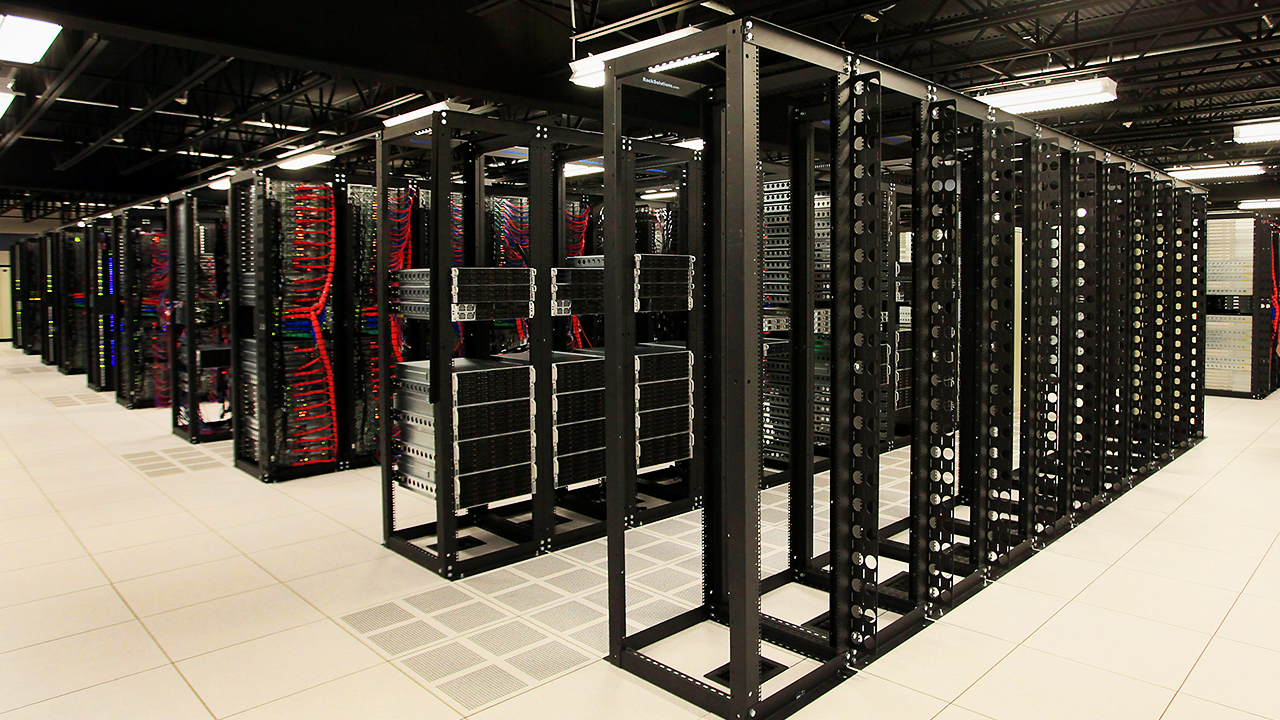
Image via Fox Business
America’s AI Buildout Is Bullish — But It’s a Capex Boom With a Hangover Risk.
Pompliano’s point: billions are flooding into AI infrastructure—data centers, chips, power, cooling, networking. That is absolutely “laying the groundwork” for productivity and national competitiveness. It’s also a giant, concentrated capex cycle that will show up in power demand, industrials orders, and regional real estate.
Here’s the catch: capex waves overshoot. The market prices the winners early, then punishes the supply chain when utilization lags. And AI isn’t just “compute”—it’s electricity. That ties the AI trade straight into natural gas, uranium, grid equipment, and regulated utilities.
📈 Fred's Take: AI is bullish America and bullish investment—until the bill comes due in margins and energy constraints. Long the picks-and-shovels (power, grid, semis with pricing power), cautious on “me-too” data center plays that assume infinite demand at infinite rent. The best AI trade may quietly be energy infrastructure.
Target’s Turnaround Is Starting — And That’s a Read-Through on the Consumer.
Target beat estimates and raised its sales outlook as traffic stabilizes and shoppers drift back. That’s not just a company story; it’s a pulse check. When a discretionary-leaning big-box name stops bleeding, it usually means the middle-income consumer isn’t rolling over the way recession Twitter keeps promising.
But don’t get carried away. Retail “beats” can be a mix of promos, easier comps, and inventory normalization. The key is margin trajectory—if they have to buy traffic with discounts, the stock pop is a one-day wonder.
📈 Fred's Take: This is mildly risk-on for U.S. equities because it supports the soft-landing narrative: slower, not broken. If Target can lift outlook and protect margin, staples rotate back into discretionary and the S&P gets a consumer tailwind. If it’s promo-driven, fade the move and buy quality elsewhere.
📎 CNBC
Trade the facts, hedge the headlines. — Fred Frost, Morning Bullets
— Fred Frost
