Today’s Sponsor
While markets narrow their focus, AI continues attracting massive capital investment with real-world deployment and measurable results. Corporate earnings calls show AI spending expanding even as other sectors lose momentum — creating selective opportunities for investors paying attention.
Our focused research brief reveals two AI-focused companies trading under $15 that are positioned for the next phase of growth, plus key developments that could influence these stocks in the months ahead.
Get the Free AI Stocks ReportBy following the link above, you're choosing to opt in to receive insightful updates from Investing Ideas Daily + 2 free bonus subscriptions! Your privacy is important to us. You can unsubscribe anytime. See our privacy policy for details.

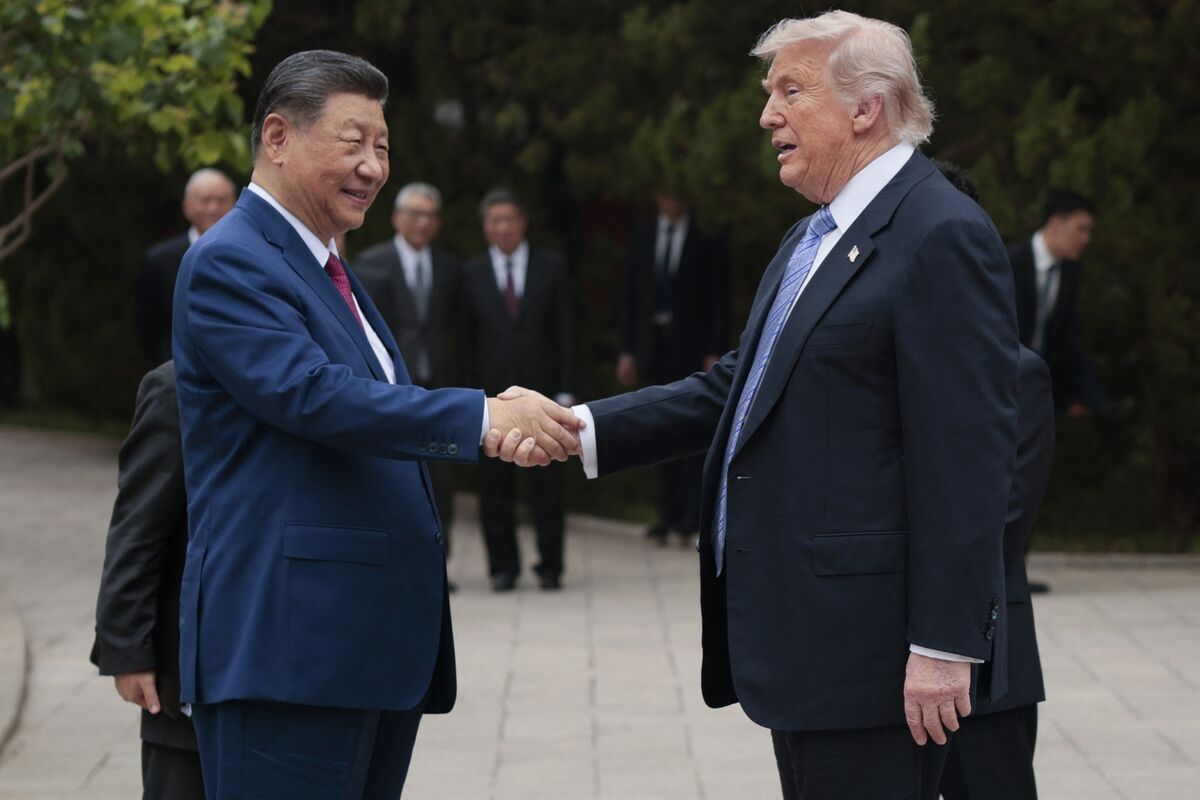
Image via Bloomberg
Trump-Xi Thaw Deepens Europe’s Minerals Angst
Washington and Beijing easing off the gas is good for headline risk, but it’s bad news for Europe’s bargaining power. If the U.S. can get cleaner access to Chinese processing and a more predictable trade lane, Europe loses the leverage it’s been using to justify emergency industrial policy and subsidy walls.
Europe’s problem is structural: it’s long demand, short supply, and even shorter refining capacity. Detente doesn’t solve that—it just reorders the queue. If the U.S. and China are talking, Europe fears it’s the odd man out on offtake deals, project finance, and “friendly” supply chains for rare earths, battery metals, and industrial inputs.
📈 Fred's Take: Markets hear “detente” and buy risk. Europe should hear “detente” and buy inventory. If you’re investing, the tell is that the West’s critical-minerals trade is drifting from ideology to procurement—so the winners are the lowest-cost miners and the refiners, not the politicians. Long materials with pricing power; be careful with Europe-heavy manufacturers that can’t pass through input shocks.

Image via Fox Business
Americans Rethink Social Security Timing—Because the Math Is Getting Loud
Households are starting to treat Social Security like a credit risk problem instead of a retirement perk. Longer lifespans stretch personal savings, and the drumbeat around trust fund depletion is pushing more people to model “what if benefits are haircut” scenarios—especially for higher earners and late retirees banking on maximum payouts.
The behavioral shift matters: if more Americans claim earlier to “lock it in,” that’s a stealth drag on labor supply and a quiet accelerant to fiscal stress. Fewer older workers means tighter wage pressure at the margin—and more strain on programs already underfunded.
📈 Fred's Take: This is inflation’s slow cousin: it doesn’t spike, it sticks. Earlier claiming + fewer late-career workers is a recipe for structurally firmer wages and a tougher glide path for the Fed’s “clean” disinflation story. Rates don’t crash in that world—duration is not your safe place.
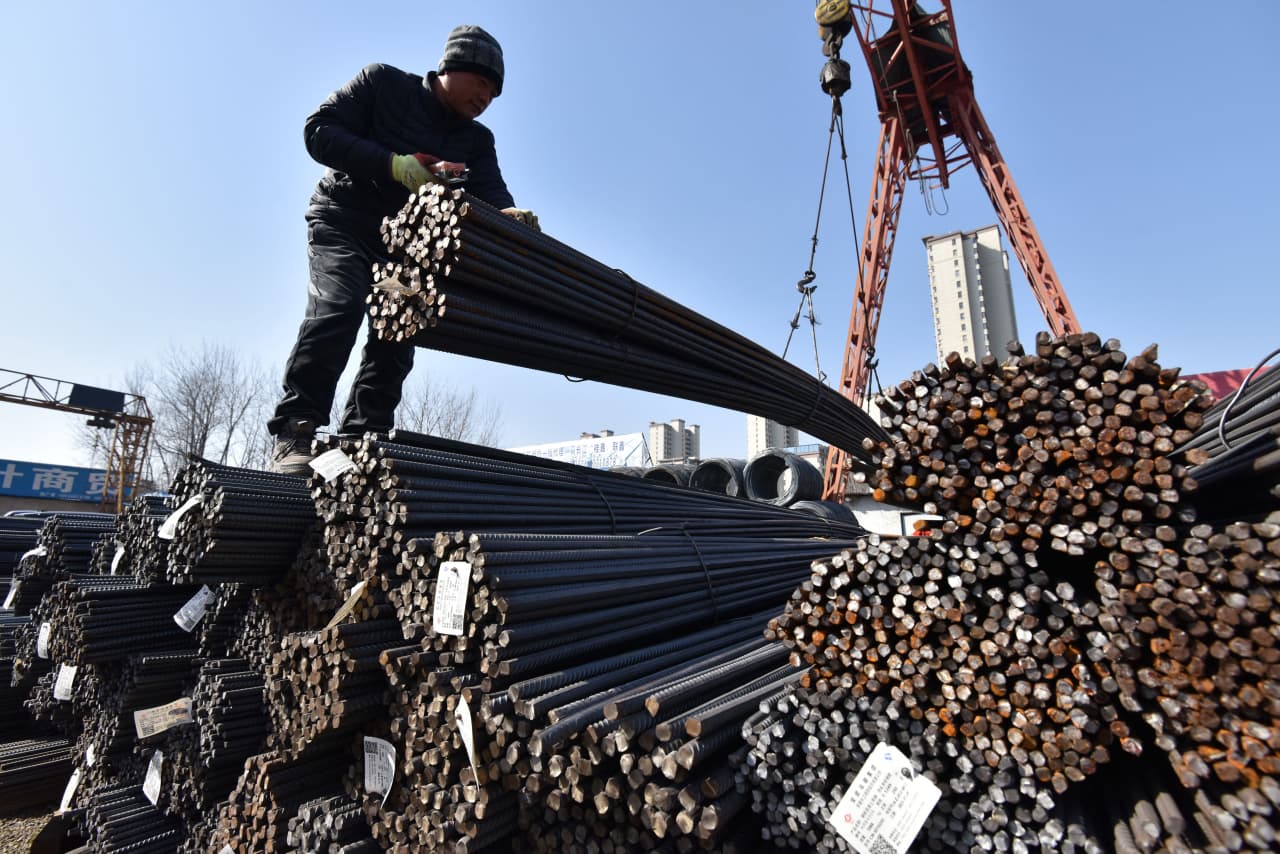
Image via MarketWatch
New Bulls for 2026: AI Capex, Resources, Defense, Housing—Same Theme, Different Wrapping
The 2026 “new bull” list is basically one trade: real assets feeding real-world bottlenecks. AI capex is power-hungry and metal-hungry. Geopolitics is commodity-hungry. Defense budgets are steel-and-electronics hungry. And U.S. housing shortages are materials-and-labor hungry. That’s a lot of demand vectors pointing at the same upstream complex.
This isn’t the 2010s “buy software, ignore stuff” tape. It’s an industrial cycle with a silicon brain—meaning the winners aren’t only the model builders, but the picks-and-shovels suppliers: copper, aluminum, uranium, grid equipment, construction inputs, and select chemicals.
📈 Fred's Take: The market’s still underestimating how persistent capex is when it’s tied to national security and grid reliability. This is a multi-year bid for materials, not a quarter-to-quarter momentum story. Own the constraint: power, copper, and defense supply chain—then hedge the froth in mega-cap AI with valuation discipline.
Energy Stocks Have Ripped—And the Setup Still Isn’t “Over”
Energy equities have already had a big run, but the fundamental backdrop that produced it hasn’t gone away: underinvestment in long-cycle supply, disciplined shareholder-return frameworks, and a demand profile that won’t collapse unless you get a real recession. Meanwhile, inventories and spare capacity remain the swing factors, and geopolitics keeps handing energy an embedded risk premium.
The other tailwind: energy companies are behaving like mature cash machines, not growth-at-any-cost drillers. That changes the investor base—more generalist money, more buybacks, more floor under the group when crude chops sideways.
📈 Fred's Take: Energy can keep working even if oil doesn’t go vertical—because the equity story is cash yield plus scarcity premium. The biggest risk isn’t “EV adoption,” it’s a policy-induced demand shock or a sharp global slowdown. Into rallies, I’d rotate toward integrateds and gas-levered names with durable free cash flow—not high-beta explorers that need $100 oil to justify the chart.
📎 Barron’s
Big Wireless Goes Satellite—Because SpaceX Forced Their Hand
The Big Three wireless carriers are moving toward a satellite-to-phone joint venture, and it’s not because they love capital intensity—it’s because Musk made “dead zones” a competitive weapon. SpaceX’s Starlink and direct-to-device ambitions shifted the marketing battlefield from coverage maps to “coverage everywhere,” and incumbents can’t afford to be the terrestrial-only option.
This is also about negotiation power. If satellite connectivity becomes table stakes, the carriers either partner at scale or get price-taken by whoever owns the orbital pipes. A joint venture is a defensive moat move: shared capex, shared spectrum strategy, and a credible counterweight to SpaceX.
📈 Fred's Take: This is bullish for the satellite ecosystem and neutral-to-negative for carrier margins over time. Consumers will get more coverage; shareholders will get another capex lane dressed up as “strategic.” If you want the upside, look upstream—satellite infrastructure, components, and enabling chips—because the carriers are going to fight each other on pricing the minute the tech works.
That’s the tape—keep your risk tight and your thesis tighter.
— Fred Frost
