Today’s Sponsor
One of our most reliable indicators just triggered on a small-cap company operating quietly under the radar. We've seen this same setup before notable announcements, strategic shifts, and surges in institutional activity.
At Alpha Wire Daily, we've built our reputation on identifying these patterns early — before the rest of the market catches on. We've just released a new briefing detailing the company name, chart setup, and why this signal stands out. Timing is everything.
Get the Free Report + Alert Access*We encourage readers to perform their own research and due diligence on any information we provide. By clicking the link you will automatically be subscribed to the Alpha Wire Newsletter.

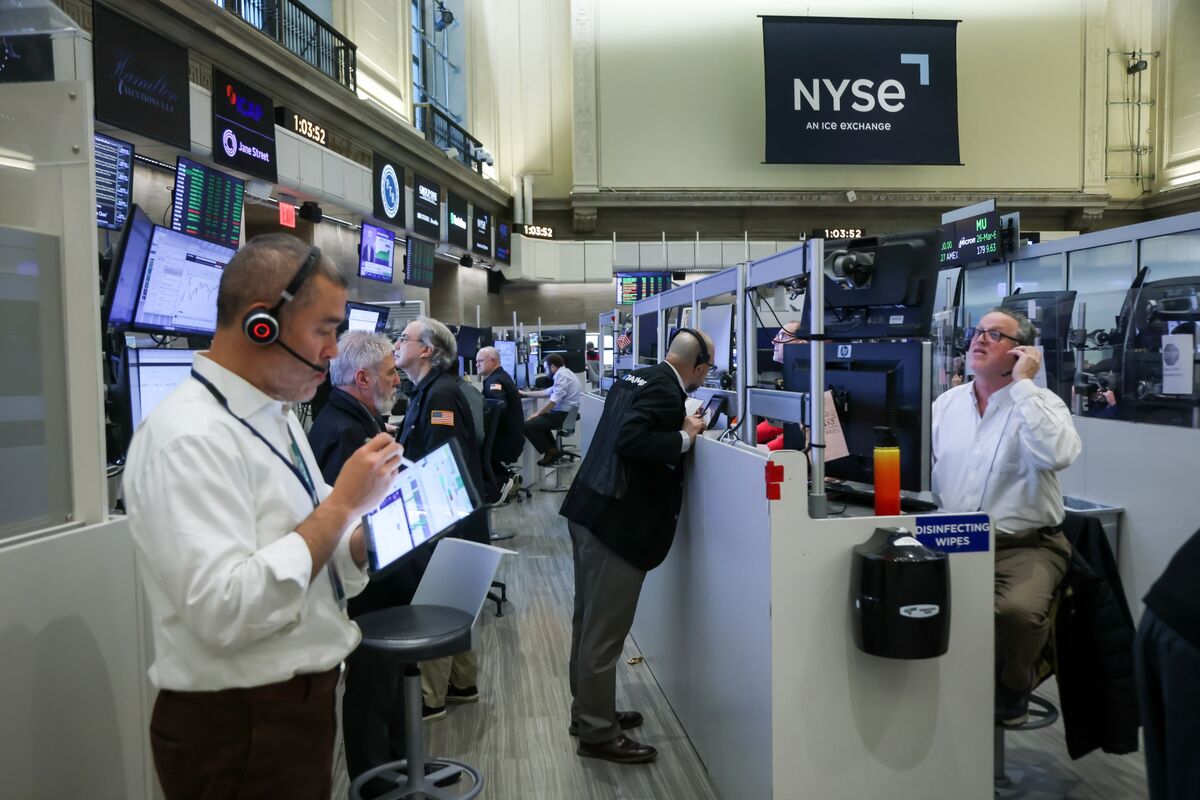
Image via Bloomberg
Dip Buyers Back in the Driver’s Seat — Tech Leads Futures Higher
US equity futures leaned green early Wednesday as traders stepped back into big tech after the latest pullback. The tape’s acting like a classic positioning reset: fast money de-risked, earnings came in “good enough,” and now nobody wants to miss the next leg if the megacaps reassert control.
What matters is the leadership. When tech catches a bid after a wobble, it usually drags the index complex with it — especially in a market where passive flows and options hedging amplify whatever the largest weights do.
✍ My Take: This is a buy-the-dip market until inflation prints force rates higher again. If you’re underweight quality growth, you’re playing defense in a tape that keeps rewarding offense. Watch long-end yields: if they behave, tech squeezes; if they spike, this rebound turns into another bull trap in 48 hours.

Image via MarketWatch
Producer Prices Pop — Pipeline Inflation Just Re-opened
Wholesale inflation jumped hard in April: PPI up 1.4%, the biggest monthly rise in four years. That’s not “noise.” It’s the upstream cost pulse that shows up in CPI with a lag — and companies don’t eat these costs forever, especially when demand is still resilient.
The market implication is simple: rate-cut fantasies get delayed, and “soft landing” confidence takes a hit. If input costs are re-accelerating, margins get squeezed unless pricing power is real — which narrows the winners list to the strongest brands, platforms, and commodity-linked names.
✍ My Take: This print is bad for long-duration anything — expensive software, unprofitable growth, and the IPO window. It’s good for cash-flow, pricing power, and real assets. If PPI stays hot, the next move is bond yields up, multiples down — and the Fed stays stuck longer than traders want to admit.
Image via Associated Press
Russia Keeps Hitting Ukraine — Energy Risk Back on the Board
Russia pressed its barrage campaign as talk of “possible peace” swirls and Ukraine signals more resolve. The reality: escalation and negotiation can run in parallel for months, and markets repeatedly underprice the tail risk until energy infrastructure gets hit and insurance spreads widen.
The photo detail matters: attacks near pipelines and critical infrastructure reintroduce the energy-supply headline risk that feeds straight into European gas, diesel cracks, and broader inflation expectations — right when PPI is already flashing.
✍ My Take: Don’t trade this like it’s 2022 panic — trade it like a volatility regime. Energy is a portfolio hedge again, not a moral statement. If infrastructure hits persist, oil and nat gas risk premia creep higher, and that’s another brick in the “rates higher for longer” wall.
Image via RealClearMarkets
“There’s No Such Thing as a Bubble” — Cute Argument, Wrong for Traders
RealClearMarkets runs a piece arguing we should stop calling things “bubbles.” Semantics games are fun until you’re the one holding the bag when narrative meets liquidity. Markets don’t need philosophical permission to overshoot — they just need leverage, momentum, and a buyer who thinks they can sell to someone dumber.
Call it a bubble, call it a mania, call it mispricing — the trade consequence is identical: when positioning gets crowded and funding tightens, the unwind is violent. That’s not theory; that’s every crisis I’ve traded.
✍ My Take: The word “bubble” isn’t the problem — timing is. You can be right and bankrupt. What matters is: are valuations relying on falling rates, easy credit, and perpetual multiple expansion? If yes, treat it like bubble risk and size it like it can gap against you.
Trump Lands in Beijing with CEOs — Markets Smell a Deal, Until They Don’t
President Trump arrived in Beijing with a CEO entourage ahead of meetings with Xi. This is trade policy as theater and leverage: business leaders provide credibility, China provides optics, and markets front-run the possibility of tariff relief, export-rule carveouts, or a big “framework” announcement.
The immediate market channel is clear: any détente bid lifts semis, industrials, and global cyclicals — and hits the “deglobalization winners” trade at the margin. But the second-order effect is bigger: if Washington signals softer trade friction, inflation expectations can ease; if talks fail, tariffs reprice higher and so do goods costs.
✍ My Take: If you want to trade this, trade the volatility around it — not the handshake. A headline “deal” is bullish risk, bearish for inflation hedges; a breakdown is the opposite and hits tech supply chains fast. Until details show up on paper, assume this is positioning fuel, not a regime change.
📎 CNBC
Fred Frost — Morning Bullets. Trade the policy, hedge the ego.
— Fred Frost
