Today’s Sponsor
One of our most reliable indicators just triggered on a small-cap company operating quietly under the radar. We've seen this same setup before notable announcements, strategic shifts, and surges in institutional activity.
At Alpha Wire Daily, we've built our reputation on identifying these patterns early — before the rest of the market catches on. We've just released a new briefing detailing the company name, chart setup, and why this signal stands out. Timing is everything.
Get the Free Report + Alert Access*We encourage readers to perform their own research and due diligence on any information we provide. By clicking the link you will automatically be subscribed to the Alpha Wire Newsletter.


Image via The Hill
WHCA Dinner Shooter Hits Court — Markets Hate Randomness
The alleged gunman at the White House Correspondents’ Association dinner is expected in court today. Authorities have identified the suspect as Cole Allen, 31, and Monday’s appearance is the first real checkpoint for what this was: targeted political violence, a security failure, or a disturbed lone actor.
For markets, the detail that matters isn’t the courtroom theater — it’s whether this becomes a sustained Washington security story that drags VIP events, travel, and campaign schedules into “higher friction” mode. That feeds into headline risk, not fundamentals, but it can move vol when positioning is complacent.
✍ My Take: This is a volatility story, not an earnings story — unless it morphs into copycat risk or credible organized intent. If the feds frame it as isolated, the VIX fade will be fast and mechanical. If they don’t, expect a bid in defense/security names and a small but real tax on risk appetite in mega-cap tech.
📎 The Hill
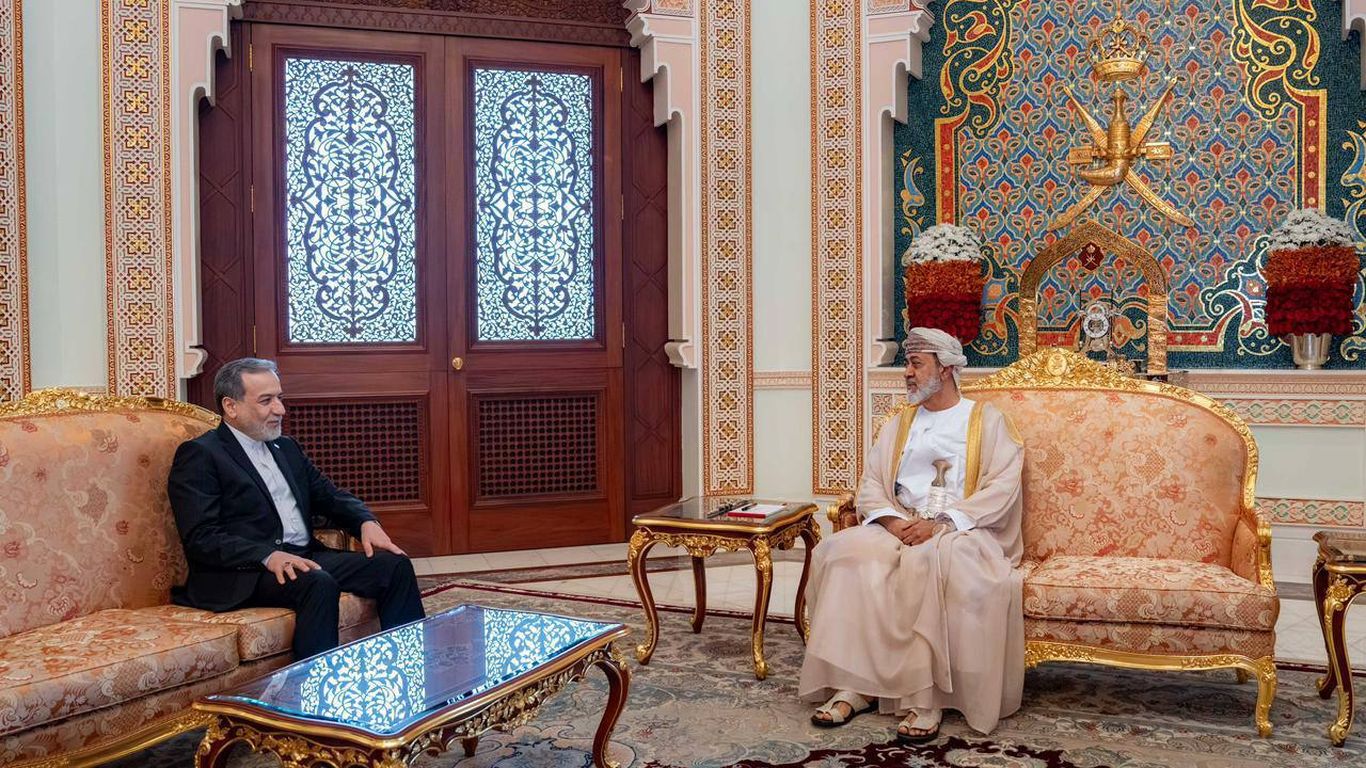
Image via Axios
Iran Floats a Deal: Reopen Hormuz Now, Kick the Nuclear Can
Iran is offering the U.S. a phased proposal: reopen the Strait of Hormuz and cool the conflict first, then postpone nuclear negotiations to a later stage. Translation: Tehran wants sanctions relief in practice (via restored flows and lower heat) without paying the “nuclear price” up front.
This is classic sequencing warfare — and the market cares because Hormuz is the world’s pressure valve. A credible reopening headline hits crude, reduces near-term inflation fear, and loosens financial conditions. But postponing nuclear talks raises the probability this is a temporary patch, not a regime shift.
✍ My Take: If the Strait actually reopens, sell the war premium in oil rallies — but don’t get cute and short energy like it’s 2015. The curve will sniff out whether shipping insurers, ports, and regional proxies believe this is durable. A fake calm will whipsaw crude, rates, and anything “long disinflation.”
📎 Axios
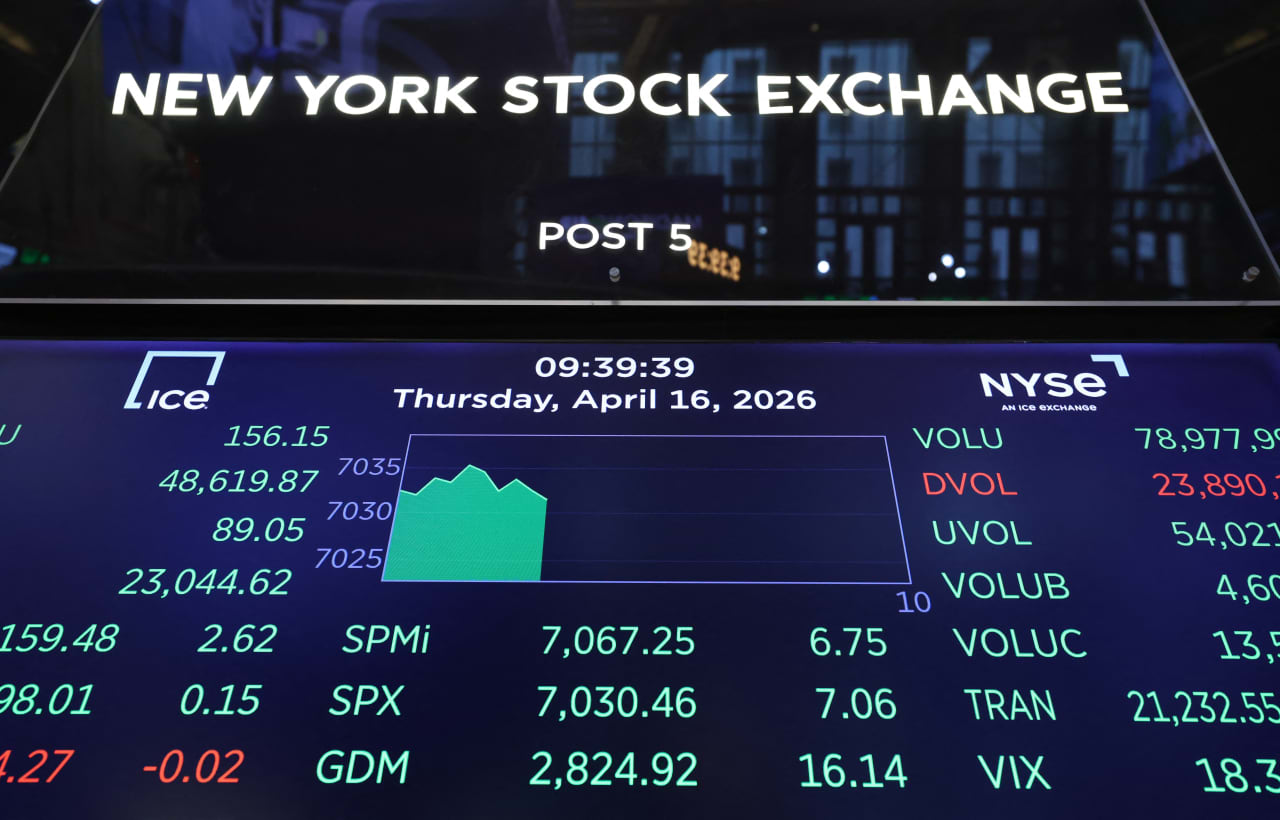
Image via MarketWatch
Morgan Stanley Says Pullbacks Stay Shallow — Because Everyone’s Already Trained to Buy
Morgan Stanley is arguing the path of least resistance in equities is still up, with any drawdowns likely shallow. Their core pitch: earnings are holding, capex is improving, and AI adoption is turning into real spend — reducing the odds that geopolitical flare-ups create lasting dips.
That’s the “fundamentals + flows” framework: corporate momentum meets a market conditioned by two years of dip-buying. The problem is the same as always — when everyone expects shallow pullbacks, positioning gets crowded, hedges get light, and the market becomes more air-pocket-prone.
✍ My Take: They’re right until they’re not — and the “not” will come from rates, not vibes. If oil de-escalates and inflation prints behave, the grind-up can continue and dips will be bought. If energy spikes again or the Fed gets boxed in, the shallow-pullback thesis breaks fast because the exit doors are all the same.
London Rallies on Earnings + Iran Watch — Same Trade, Different Accent
UK stocks are higher as traders track updates out of Iran and work through a heavy earnings slate. This is the global tape right now: geopolitics sets the macro price (oil/inflation), earnings decide whether investors can justify staying long risk.
The FTSE’s composition matters: more energy, more financials, fewer high-multiple tech flyers. So when the market thinks conflict risk might cool, you get a double tailwind — lower oil risk premium helps inflation expectations, while UK cyclicals still benefit from “not-a-recession” earnings.
✍ My Take: The FTSE works when the world is normalizing — not when it’s panicking. If Hormuz headlines improve, UK equities can quietly outperform because they’re under-owned and priced like it’s still 2022. If the Strait story deteriorates, FTSE gets messy fast: energy up helps, but global risk-off and rates volatility will swamp it.
Data Week: The Only Thing That Matters Is Whether Inflation Re-accelerates
This week’s calendar is stacked with the usual market tripwires — jobs data, inflation reads, and sentiment gauges. Investors are trying to answer one question: is growth slowing gently while inflation cools, or are we about to relive another “hot print, higher yields, multiple compression” episode?
With geopolitics back in the inflation channel through energy, every macro print gets interpreted through the same lens: does the Fed get room to ease later this year, or does sticky inflation keep real yields elevated and punish long-duration equities?
✍ My Take: Don’t overtrade the noise — but don’t ignore the bond market. If yields push higher on hot data while oil stays bid, the equity rally becomes a narrow mega-cap story again. If inflation behaves and energy calms, small caps, cyclicals, and credit catch a bid — and crypto trades like liquidity is coming back.
Fred Frost — Morning Bullets. Trade the facts, not the feelings.
— Fred Frost
