Today’s Sponsor
Crypto markets are stabilizing below cycle highs — and institutional capital is positioning for the next phase. While others chase headlines, smart money is studying how regulatory clarity and selective capital deployment are reshaping the digital asset landscape. This isn't a replay of the last cycle — it's a complete reset.
Our new research report "The 2026 Crypto Reset" reveals why current price levels matter more than recent volatility, how institutional behavior is shifting, and three digital assets positioned for the next market phase. Don't miss the key risks and opportunities taking shape right now.
Get the Free Crypto Reset ReportBy accessing this report, you're opting in to receive updates from The Wealthiest Investor plus 2 free bonus subscriptions. Your privacy is important to us. You can unsubscribe anytime. See our privacy policy for details.


Image via The Hill
Democrats Kick Off 2028 Early — And Markets Should Pay Attention
The 2028 Democratic primary is already underway in everything but name, with high-profile figures like Kamala Harris and Gavin Newsom making moves that look a lot like pre-campaigning. They’re not hiding it, because they don’t have to: the donor class, activist base, and media ecosystem are already shopping for a standard-bearer.
For investors, “early” matters. The sooner Democrats start competing to outbid each other on spending promises, regulation, and tax rhetoric, the sooner those narratives seep into pricing—especially for healthcare, energy, big tech, and financials. Even without legislation, campaign positioning can shift expectations for 2029 policy risk and affect multiples today.
✍ My Take: This is your reminder that political risk is a slow drip, not a surprise shock. If Democrats move toward a high-tax, high-regulation platform, expect multiple compression pressure on megacap tech, banks, and traditional energy—and relative strength in defense, utilities, and “regulatory-proof” cash generators. Keep some dry powder and don’t overpay for long-duration growth when Washington is already warming up the tax talk.
📎 The Hill
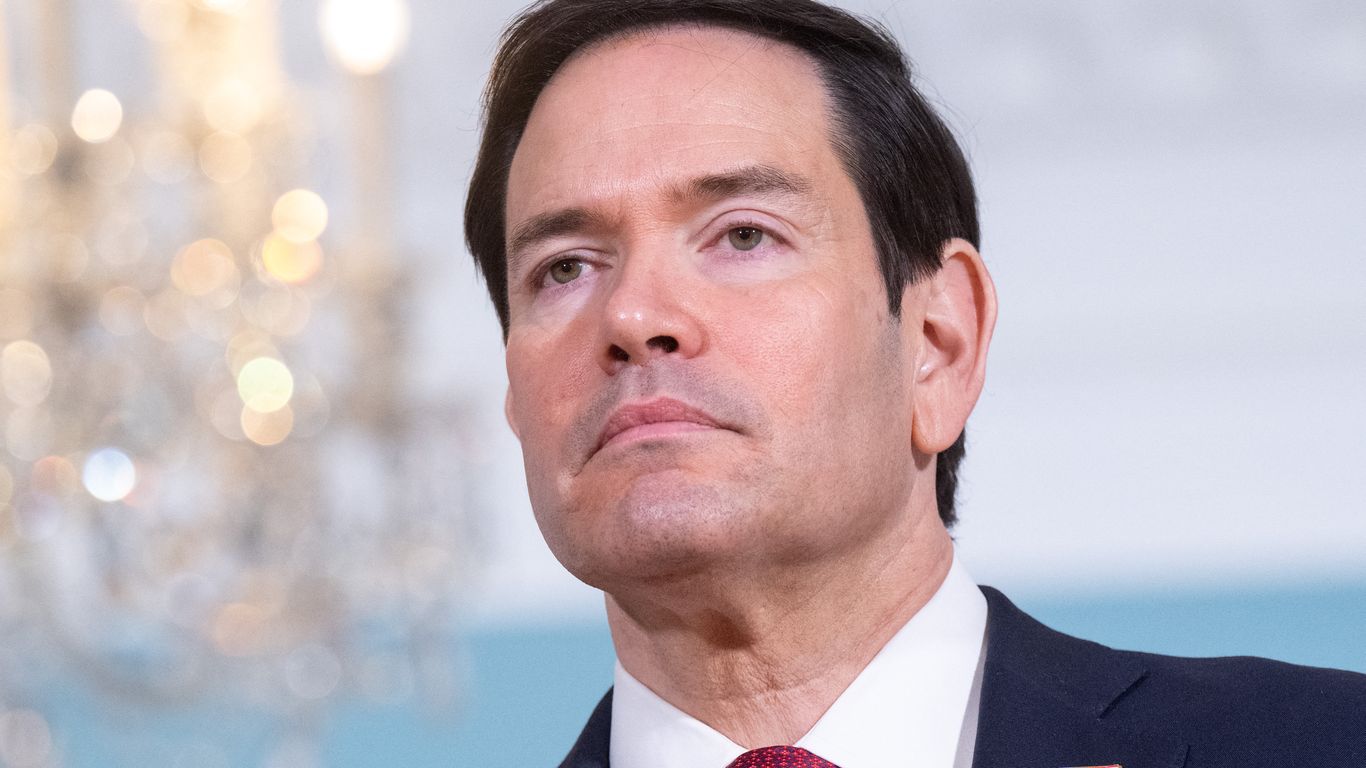
Image via Axios
Rubio Brokers Israel–Lebanon Talks — Energy Traders Will Be Listening
Secretary of State Marco Rubio is hosting Israeli and Lebanese ambassadors in Washington today to kick off direct negotiations, part of a broader ceasefire effort in the region. The headline is diplomacy—but the market translation is simple: any reduction in spillover risk lowers the geopolitical premium embedded in oil and global shipping.
Even if talks don’t produce an immediate breakthrough, the existence of a channel matters. Markets tend to reprice “tail risk” quickly when communication lines open, especially around the Eastern Mediterranean where escalation fears can ripple into energy, insurers, and freight.
✍ My Take: If diplomacy holds, crude’s fear premium leaks out—and that’s mildly bearish for oil in the near term, bullish for airlines, transports, and consumer discretionary. But don’t mistake “talks” for “resolution.” I’d treat any oil dip as a tactical opportunity, not a thesis change—energy remains the best inflation hedge when governments keep spending like there’s no bill coming.
📎 Axios

Image via Washington Examiner
U.S. Strikes Suspected Drug Boat Again — Security Spending Isn’t Coming Down
The U.S. military reported another strike on a suspected drug-trafficking vessel in the Southern Hemisphere, with two killed. It’s the third announced strike in April, signaling a more kinetic posture in maritime interdiction and cross-border criminal enforcement.
The market angle is not moral outrage—it’s budget reality. Increased operational tempo, surveillance, drones, and maritime assets translate into sustained demand for defense tech, ISR (intelligence/surveillance/reconnaissance), and contractors tied to Navy and joint operations. It also reinforces that “peace dividend” fantasies aren’t on the table.
✍ My Take: Defense is becoming a core allocation, not a trade. When Washington can’t control the border and resorts to force projection abroad, spending flows to contractors—period. Own quality defense primes and enabling tech; don’t fight the trend while Congress keeps writing checks and calling it “national security.”
Stay liquid, stay skeptical, and let the numbers—not narratives—do the talking.
— The Morning Bullets Desk
